Top Trends in Decorative Concrete Finishes for Residential and Commercial Projects
January 23, 2026
Decorative concrete finishes have transformed the way architects, designers, and property owners approach both residential and commercial spaces. Beyond its traditional utilitarian role, concrete has evolved into a versatile material that combines durability, aesthetic appeal, and cost-effectiveness. With innovations in staining, stamping, polishing, and texturing, concrete surfaces are no longer limited to plain grey floors or structural elements. Homeowners, developers, and business owners alike are embracing decorative concrete to elevate interiors, enhance curb appeal, and create visually engaging environments. This shift reflects a broader industry trend where design and functionality coexist seamlessly, allowing concrete to serve as a canvas for creativity while maintaining its inherent structural advantages.
In addition to its aesthetic versatility, decorative concrete offers practical benefits that make it particularly attractive for high-traffic and outdoor areas. From patios and driveways to commercial lobbies and retail spaces, these finishes combine long-term durability with minimal maintenance requirements. With sustainable practices and innovations driving the sector forward, decorative concrete continues to gain prominence as a preferred choice for both new construction and renovation projects.
Popular Decorative Concrete Finishes
Stamped Concrete
Definition and Application
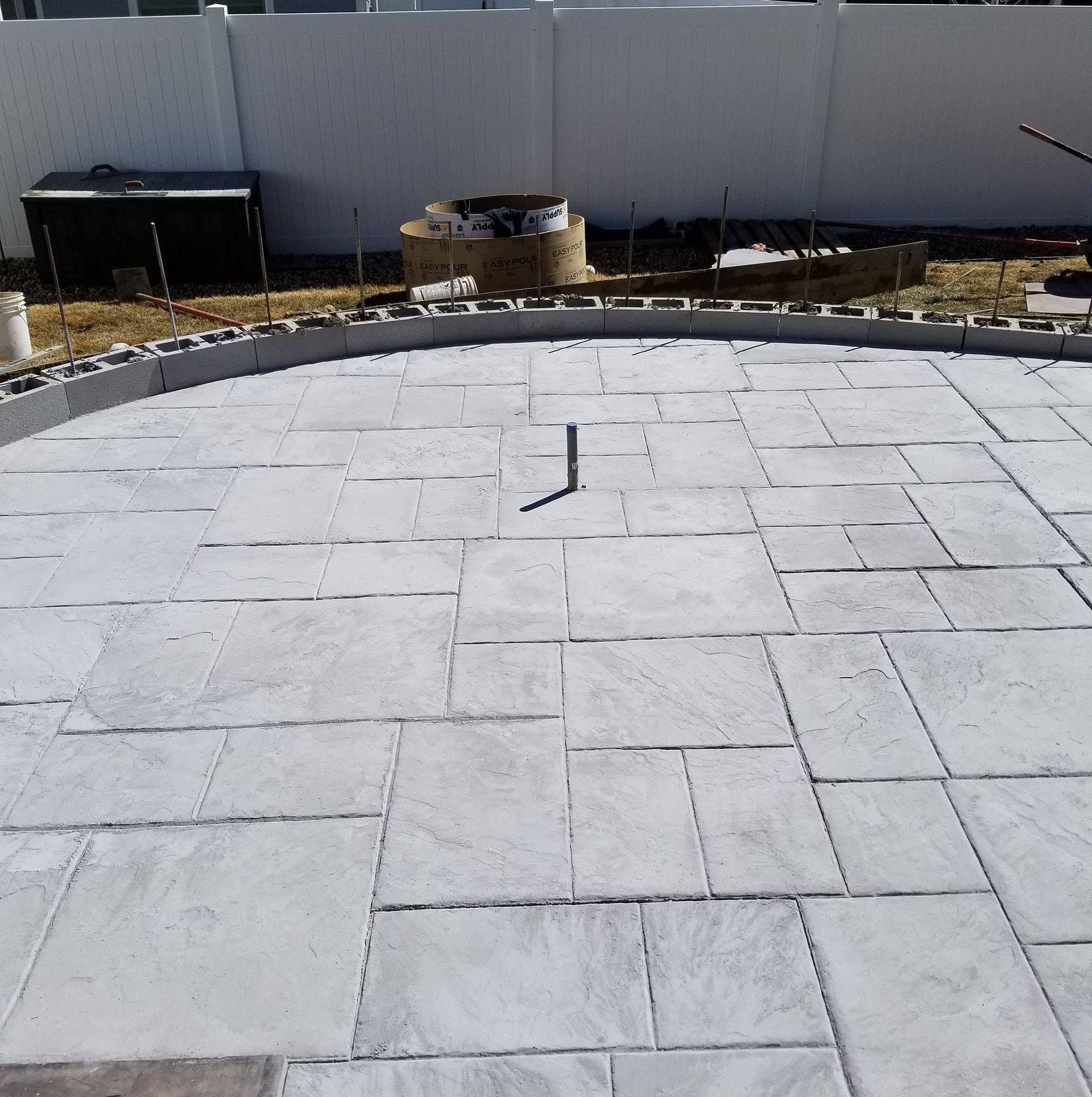
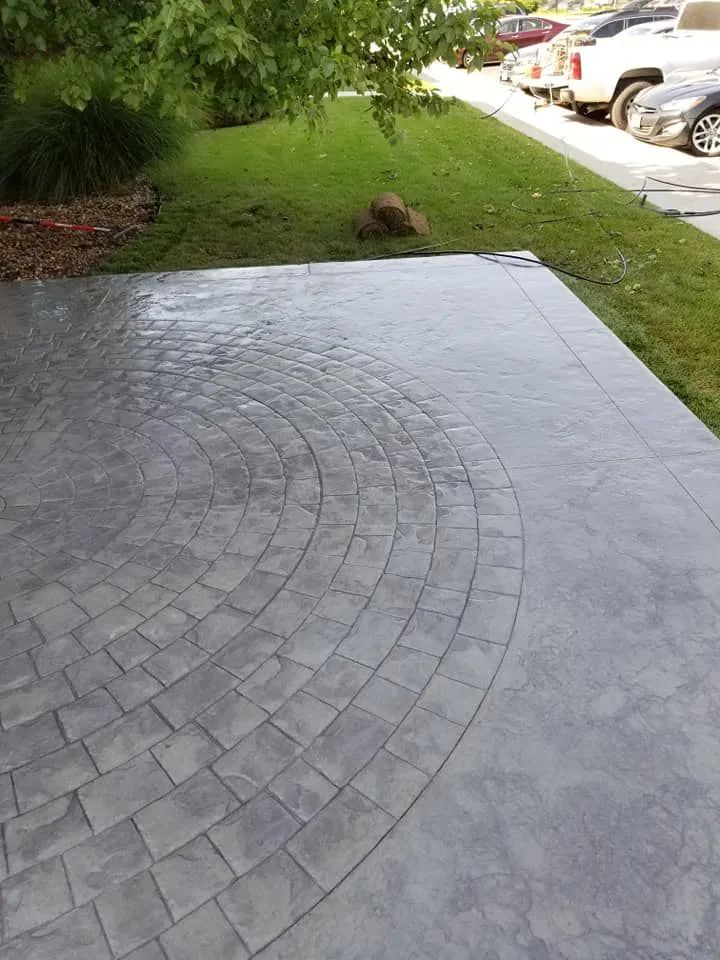
Stamped concrete is a technique where patterns are imprinted onto freshly poured concrete using molds or stamps. This finish allows surfaces to replicate the appearance of natural stone, brick, or wood without the associated costs. Commonly applied in driveways, patios, and pool decks, stamped concrete provides a versatile solution for both residential and commercial projects.
Benefits
Stamped concrete is not only visually appealing but also highly durable. The ability to add color and texture during the stamping process allows designers to create unique, customized surfaces. Additionally, the reduced maintenance requirements compared to natural materials make it an attractive option for high-traffic areas.
Challenges and Best Practices
Proper installation is crucial, as uneven stamping or poor curing can lead to cracks or surface imperfections. Using high-quality release agents and sealants can enhance durability and protect against fading. For commercial projects, coordinating with experienced installers ensures consistency across large surfaces, maintaining aesthetic integrity.
Polished Concrete
Definition and Application
Polished concrete involves mechanically grinding and polishing concrete surfaces to achieve a smooth, reflective finish. This technique is increasingly popular in commercial spaces such as offices, retail stores, and showrooms due to its modern, clean appearance.
Benefits
Polished concrete offers several advantages, including increased durability, low maintenance, and improved light reflectivity, which can reduce energy costs. It also resists heavy foot traffic, chemical exposure, and abrasion, making it suitable for both indoor and outdoor applications.
Challenges and Best Practices
Achieving the desired gloss and smoothness requires precision and experience. Improper polishing can result in uneven surfaces or reduced longevity. Using densifiers and sealers helps protect the surface while enhancing its shine. Regular maintenance, such as dust mopping and occasional buffing, keeps polished concrete looking pristine over time.
Innovative Coloring and Staining Techniques
> Acid Staining
Definition and Application
Acid staining is a method where mineral-based acid solutions react with concrete to produce permanent, variegated colors. Unlike paint, the color penetrates the surface, creating a natural, translucent look that resembles stone or marble. It is frequently used in residential floors, patios, and decorative commercial interiors.
Benefits
Acid staining produces long-lasting, rich color tones and offers a unique aesthetic for each project, as the chemical reaction interacts differently with the concrete’s composition. It also enhances surface texture and can be paired with sealing for added durability.
Challenges and Best Practices
The process requires careful handling of chemicals and precise timing to achieve consistent results. Surface preparation is critical; any imperfections can affect the final appearance. Professionals often combine staining with other techniques like stamping or polishing for a high-end, customized look.
> Integral Color and Dyeing
Definition and Application
Integral coloring involves mixing pigments directly into the concrete before it is poured, ensuring uniform color throughout the material. Liquid dyes can also be applied post-pour to create vibrant hues or accentuate patterns. Both techniques are ideal for driveways, commercial walkways, and decorative interior floors.
Benefits
Integral color and dyes provide long-term color stability, reducing the risk of fading or chipping compared to surface-applied paints. They also allow for creative designs, from bold patterns to subtle gradients, making spaces more visually dynamic.
Challenges and Best Practices
Achieving the correct pigment concentration is essential for color consistency. Uneven mixing or poor curing can result in blotchy surfaces. Combining color techniques with surface texturing or polishing can produce sophisticated, multi-dimensional effects.
Textured and 3D Concrete Surfaces
Exposed Aggregate
Definition and Application
Exposed aggregate finishes reveal the natural textures of pebbles, stones, or decorative aggregates embedded in concrete. The top layer of cement paste is washed away to expose the aggregate, creating a slip-resistant and visually appealing surface suitable for sidewalks, patios, and pool decks.
Benefits
Exposed aggregate offers a natural, rugged aesthetic while maintaining durability and low maintenance. It is also highly slip-resistant, making it a practical choice for outdoor areas exposed to water or heavy foot traffic.
Challenges and Best Practices
Uniform aggregate distribution and careful washing are crucial to achieve a consistent appearance. Sealants can protect the surface from staining and weathering. Designers often combine exposed aggregate with colored concrete to enhance visual interest.
Textured Overlays and Microtoppings
Definition and Application
Textured overlays and microtoppings are thin layers of decorative concrete applied over existing surfaces. They can replicate materials like slate, brick, or tile while offering durability and flexibility. These finishes are popular for remodeling projects where existing concrete requires an aesthetic upgrade.
Benefits
Overlays allow designers to update worn surfaces without full replacement, offering a cost-effective solution. They also provide a smooth, uniform finish or customized texture, depending on the project requirements.
Challenges and Best Practices
Surface preparation is critical to prevent peeling or cracking. Proper bonding agents and curing techniques ensure longevity. Combining overlays with stains, dyes, or stamps can result in highly customizable, sophisticated finishes.
Sustainability and Eco-Friendly Trends
> Recycled Materials and Green Concrete
Definition and Application
Eco-conscious design is increasingly influencing decorative concrete choices. Green concrete incorporates recycled aggregates, industrial byproducts, or low-carbon cements to reduce environmental impact. This trend is relevant for both residential and commercial projects aiming for sustainable certifications.
Benefits
Using recycled materials lowers the carbon footprint, promotes responsible resource use, and supports green building practices. Decorative finishes on eco-friendly concrete maintain visual appeal while aligning with sustainable design principles.
Challenges and Best Practices
Balancing aesthetics with sustainability requires careful selection of materials and techniques. Recycled aggregates may affect color uniformity or texture, so testing samples before full application is recommended. Combining eco-friendly concrete with sealers and coatings ensures durability and longevity.
> Permeable Concrete Surfaces
Definition and Application
Permeable concrete allows water to pass through the surface, reducing runoff and promoting natural groundwater recharge. This finish is particularly suitable for driveways, parking areas, and commercial landscapes aiming to meet environmental regulations.
Benefits
Permeable concrete enhances drainage, mitigates flooding risks, and supports sustainable water management practices. It also maintains decorative potential through coloring, stamping, or aggregate exposure.
Challenges and Best Practices
Installation requires careful attention to base preparation, thickness, and joint design to ensure structural integrity. Combining permeable concrete with decorative elements like colored aggregates or patterns balances sustainability with aesthetic appeal.
Emerging Technology and Customization
3D Printing and Modular Designs
Definition and Application
Advancements in 3D printing have introduced new possibilities in decorative concrete. Modular panels and pre-cast elements allow architects to create intricate patterns, geometric designs, and custom features for residential facades and commercial installations.
Benefits
3D printing and pre-cast customization enhance design flexibility while reducing labor costs and construction time. Complex textures and shapes can be achieved without compromising structural integrity.
Challenges and Best Practices
Integrating 3D-printed elements with traditional concrete requires precision in measurements, curing, and finishing. Coordinating design files with experienced contractors ensures accurate implementation.
Personalized Patterns and Branding
Definition and Application
Businesses increasingly use decorative concrete for branding purposes, incorporating logos, patterns, or thematic designs into lobbies, outdoor walkways, and public spaces. In residential projects, personalized patterns add a unique, custom touch to patios or flooring.
Benefits
Personalized decorative concrete creates a memorable visual identity while remaining durable and low-maintenance. It supports marketing strategies and enhances customer experience in commercial environments.
Challenges and Best Practices
Customization requires precise planning, high-quality templates, and skilled installation. Working with professional designers ensures that branding elements are visually consistent and integrated with the surrounding space.
Expert Craftsmanship Transforming Concrete Into Stunning Surfaces
Decorative concrete finishes are redefining the possibilities for residential and commercial spaces, merging functionality with aesthetic innovation. From stamped and polished concrete to acid staining, exposed aggregates, and sustainable alternatives, the industry continues to expand creative opportunities for property owners and designers. As design trends evolve, decorative concrete remains a versatile, durable, and cost-effective solution that meets both aesthetic and practical demands.
At Decorative Concrete Finishes LLC, we leverage over 30
years of experience to deliver exceptional concrete solutions in Loveland, Colorado. Our expertise spans residential and commercial projects, providing clients with innovative finishes, expert installation, and long-lasting results. Our team prioritizes quality, attention to detail, and professional service to ensure every project exceeds expectations. Whether enhancing curb appeal, creating dynamic commercial spaces, or delivering sustainable solutions, Decorative Concrete Finishes LLC
remains a trusted authority in the industry. By combining technical expertise with design vision, we bring your
decorative concrete ideas
to life, transforming ordinary surfaces into extraordinary statements that stand the test of time.