Transforming Spaces with Decorative Concrete: Creative Design Ideas for Every Property

October 27, 2025

Concrete is no longer just a utilitarian material reserved for driveways and sidewalks. Today, decorative concrete has emerged as a versatile and stylish solution for transforming both indoor and outdoor spaces. From patterned patios to polished interior floors, this design trend allows homeowners and property managers to combine durability with aesthetic appeal. Whether you want to add elegance, texture, or a splash of color to your property, decorative concrete offers countless possibilities.


Beyond aesthetics, decorative concrete enhances functionality by providing long-lasting surfaces that require minimal maintenance. Its adaptability means it can be customized for any style—from rustic charm to modern sophistication. With innovative techniques and finishes, even ordinary concrete surfaces can become striking design features that elevate the overall look and value of your property.

Stamped Concrete for Outdoor Charm

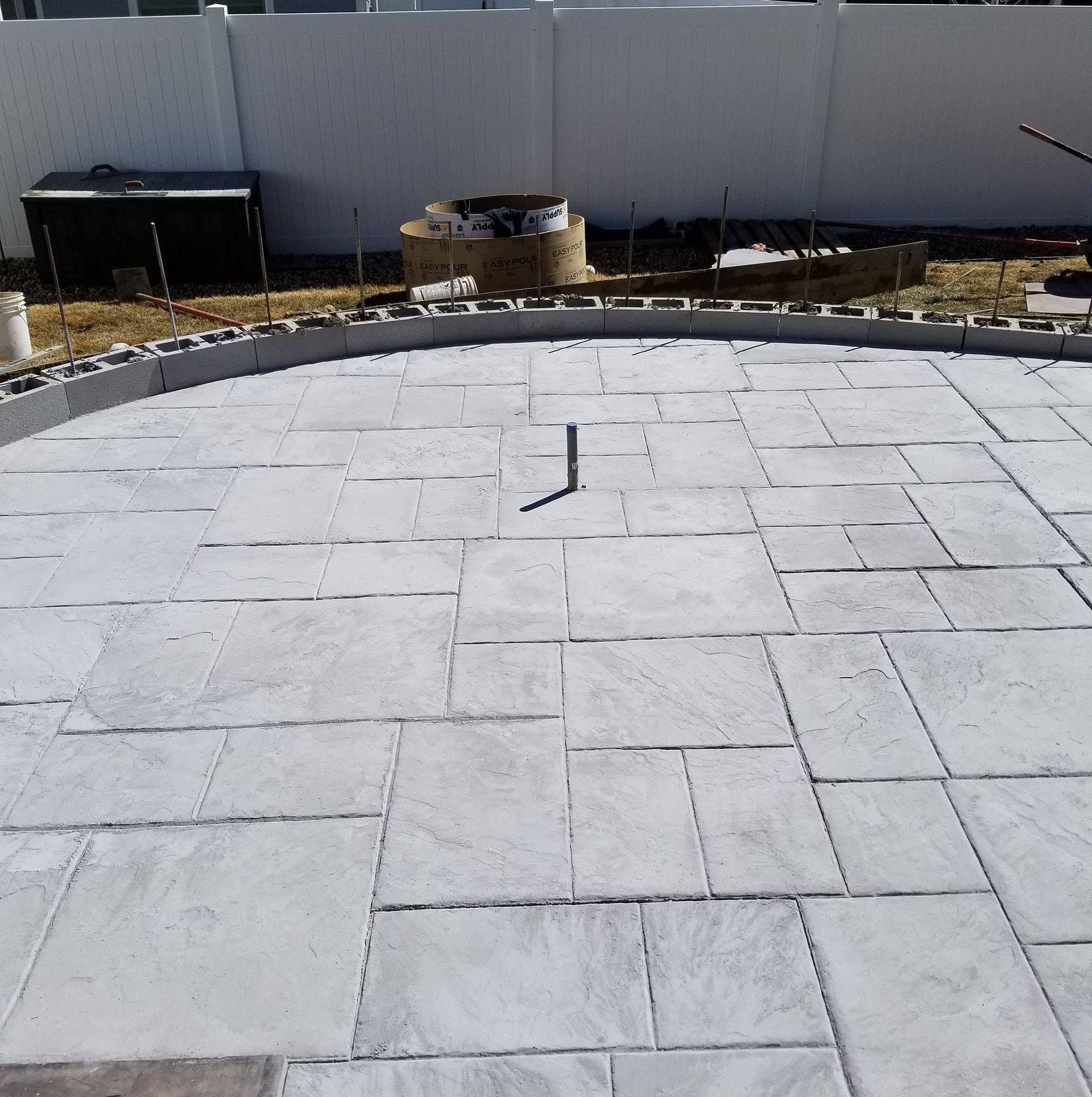
Stamped concrete is one of the most popular methods for adding texture and character to outdoor spaces. By imprinting patterns such as cobblestone, brick, or slate, homeowners can achieve the look of high-end materials without the hefty price tag. Patios, walkways, and pool decks benefit from this technique, providing an elegant yet durable surface that can withstand heavy traffic and the elements.

Polished Concrete Floors for Modern Interiors

Polished concrete floors are a sleek and contemporary choice for interior spaces. Through grinding and polishing, concrete surfaces can achieve a glossy finish that resembles natural stone or marble. This finish not only enhances visual appeal but also offers easy maintenance and long-term durability, making it perfect for kitchens, living areas, and commercial spaces.

Stained Concrete for a Splash of Color

Concrete staining allows for vibrant or subtle color enhancements that can complement any design palette. Acid-based stains create rich, variegated tones, while water-based stains offer a wider range of solid colors. Stained concrete works beautifully in both indoor and outdoor settings, turning ordinary floors, driveways, or countertops into eye-catching features.

Overlay and Microtopping Techniques

For surfaces that require a makeover without complete replacement, concrete overlays and microtoppings provide a thin, durable layer that can mimic stone, tile, or even wood. These techniques allow for intricate designs, custom textures, and unique color combinations, making them ideal for renovating tired patios, floors, or commercial entryways.

Decorative Borders and Inlays

Adding borders, inlays, or medallions to concrete surfaces introduces an extra element of design sophistication. Using contrasting colors or embedded materials like glass or tile, these decorative accents can define spaces and create a custom look tailored to your property’s style.

Expert Decorative Concrete Solutions in Loveland, Colorado

Transforming your property with decorative concrete requires skill, experience, and a creative eye. At Decorative Concrete Finishes LLC, we bring over 30 years of expertise to every project, helping clients in Loveland, Colorado, and surrounding areas achieve stunning, durable, and personalized surfaces. From stamped patios to polished interiors and innovative overlays, our team specializes in turning ordinary concrete into extraordinary design statements. Whether renovating your home or enhancing a commercial property, our professionals guide you through every step, ensuring exceptional craftsmanship and long-lasting beauty that elevates your space’s style and functionality.

March 26, 2026
Concrete has long been regarded as a purely functional material — strong, reliable, and built to last. From infrastructure projects to residential foundations, its reputation has been firmly rooted in durability and performance. However, modern construction and design trends are redefining how concrete is perceived and utilized. Today, concrete is not only a structural necessity but also a design medium capable of delivering striking visual impact. Architects, designers, and property owners are increasingly recognizing its potential to enhance both functionality and aesthetic appeal in diverse settings. The evolution of concrete technology, combined with creative finishing techniques and innovative applications, has opened new possibilities for transforming spaces. Whether used in decorative flooring, outdoor patios, commercial facades, or custom interior features, concrete now offers flexibility that aligns with contemporary design expectations. Its ability to be molded, textured, colored, and polished enables professionals to craft visually compelling environments without compromising strength or longevity. As sustainability, cost efficiency, and design versatility continue to shape the construction industry, understanding the art of blending concrete’s durability with aesthetic elegance has become essential for delivering lasting value and visual excellence.
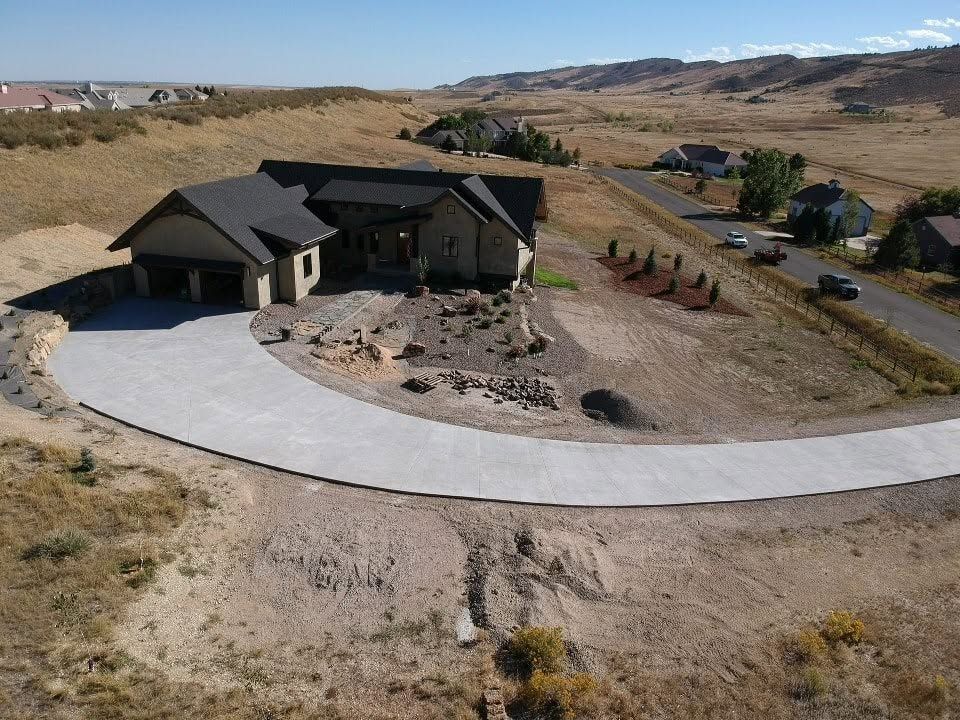
Concrete walkway with steps, lined with large rocks and pebbles, leading to a house.
February 21, 2026
Concrete is no longer merely a utilitarian building material. Homeowners, architects, and designers are increasingly recognizing its potential as a creative, functional, and durable element that can dramatically enhance the exterior appeal of a property.
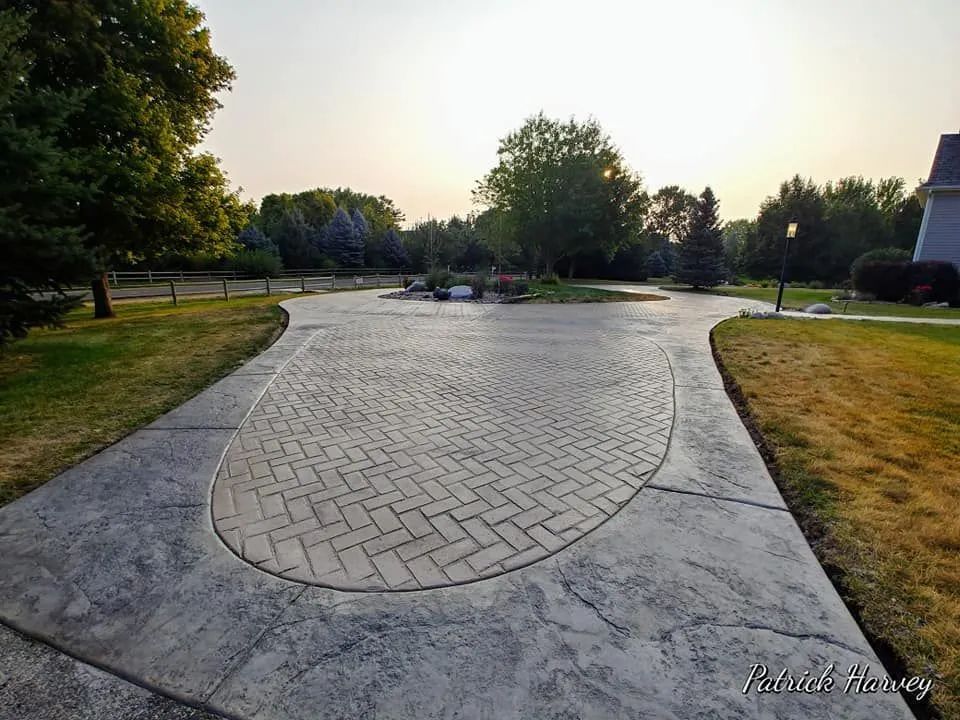
Gray concrete patio with a circular brick pattern, adjacent to a green lawn and sidewalk with parked cars.
January 23, 2026
Decorative concrete finishes have transformed the way architects, designers, and property owners approach both residential and commercial spaces. Beyond its traditional utilitarian role, concrete has evolved into a versatile material that combines durability, aesthetic appeal, and cost-effectiveness.
March 26, 2026
Concrete has long been regarded as a purely functional material — strong, reliable, and built to last. From infrastructure projects to residential foundations, its reputation has been firmly rooted in durability and performance. However, modern construction and design trends are redefining how concrete is perceived and utilized. Today, concrete is not only a structural necessity but also a design medium capable of delivering striking visual impact. Architects, designers, and property owners are increasingly recognizing its potential to enhance both functionality and aesthetic appeal in diverse settings. The evolution of concrete technology, combined with creative finishing techniques and innovative applications, has opened new possibilities for transforming spaces. Whether used in decorative flooring, outdoor patios, commercial facades, or custom interior features, concrete now offers flexibility that aligns with contemporary design expectations. Its ability to be molded, textured, colored, and polished enables professionals to craft visually compelling environments without compromising strength or longevity. As sustainability, cost efficiency, and design versatility continue to shape the construction industry, understanding the art of blending concrete’s durability with aesthetic elegance has become essential for delivering lasting value and visual excellence.
Concrete walkway with steps, lined with large rocks and pebbles, leading to a house.
February 21, 2026
Concrete is no longer merely a utilitarian building material. Homeowners, architects, and designers are increasingly recognizing its potential as a creative, functional, and durable element that can dramatically enhance the exterior appeal of a property.
Gray concrete patio with a circular brick pattern, adjacent to a green lawn and sidewalk with parked cars.
January 23, 2026
Decorative concrete finishes have transformed the way architects, designers, and property owners approach both residential and commercial spaces. Beyond its traditional utilitarian role, concrete has evolved into a versatile material that combines durability, aesthetic appeal, and cost-effectiveness.
Show More