From Driveways to Patios: Stunning Ways to Use Decorative Concrete at Home
December 25, 2025
Decorative concrete has emerged as one of the most versatile and visually appealing solutions for modern homeowners seeking to combine durability with design. Far from the traditional gray slab often associated with driveways and sidewalks, decorative concrete offers endless possibilities for enhancing the aesthetic and functional appeal of any residential space. With innovative techniques such as stamping, staining, polishing, and exposed aggregate finishes, homeowners can transform ordinary concrete into striking surfaces that complement their home’s style. From sleek contemporary designs to rustic, nature-inspired patterns, decorative concrete allows for customization that aligns with personal taste while maintaining practicality.
The relevance of
decorative concrete in the home improvement industry continues to grow due to its cost-effectiveness, low maintenance requirements, and long-lasting durability. Unlike materials such as natural stone or brick, which may require frequent upkeep, decorative concrete provides a resilient surface that withstands heavy foot traffic, weather changes, and daily wear. By exploring the creative applications of decorative concrete—from driveways and patios to interior floors and garden pathways—homeowners can unlock both functional and aesthetic value, elevating their properties with surfaces that are as strong as they are stylish.
Transforming Outdoor Spaces with Decorative Concrete
Enhancing Driveways with Style
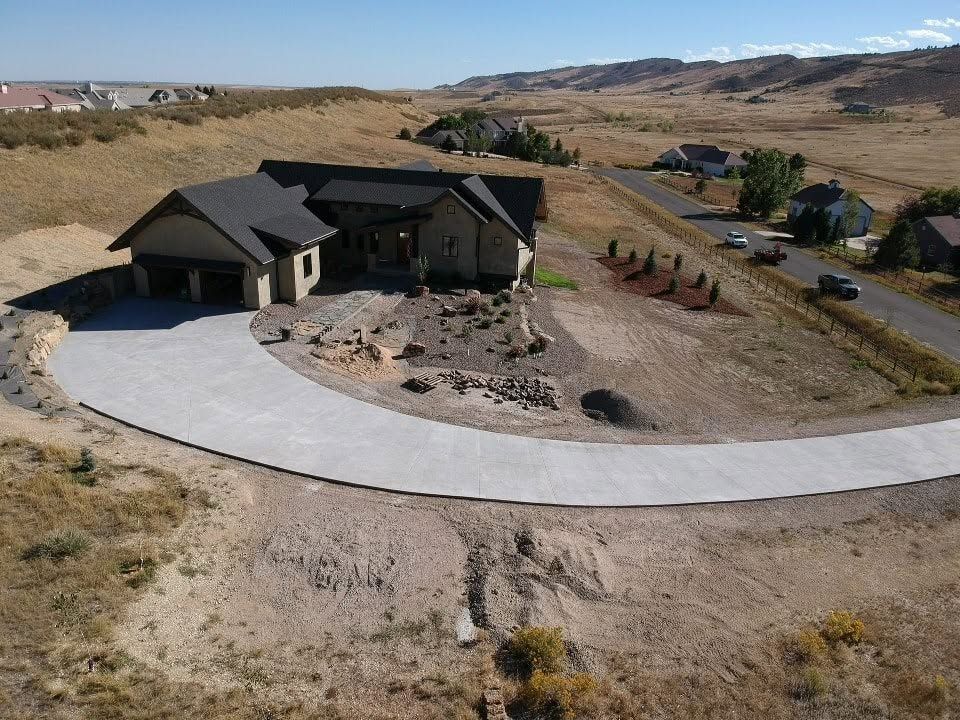
Driveways are often the first point of visual contact for visitors, making them ideal candidates for decorative concrete treatments. Instead of conventional plain concrete, stamped concrete can replicate the look of brick, cobblestone, or slate at a fraction of the cost. With custom color stains, homeowners can match the driveway to the exterior of their home, creating a cohesive design. A well-designed decorative driveway not only enhances curb appeal but also increases property value, offering an excellent return on investment for homeowners planning resale.
Real-World Example: A suburban home in Loveland transformed its plain concrete driveway using a slate-patterned stamp with earth-tone stains. The result was a visually striking entryway that required minimal maintenance while lasting decades under the local climate conditions.
Creating Functional Patios
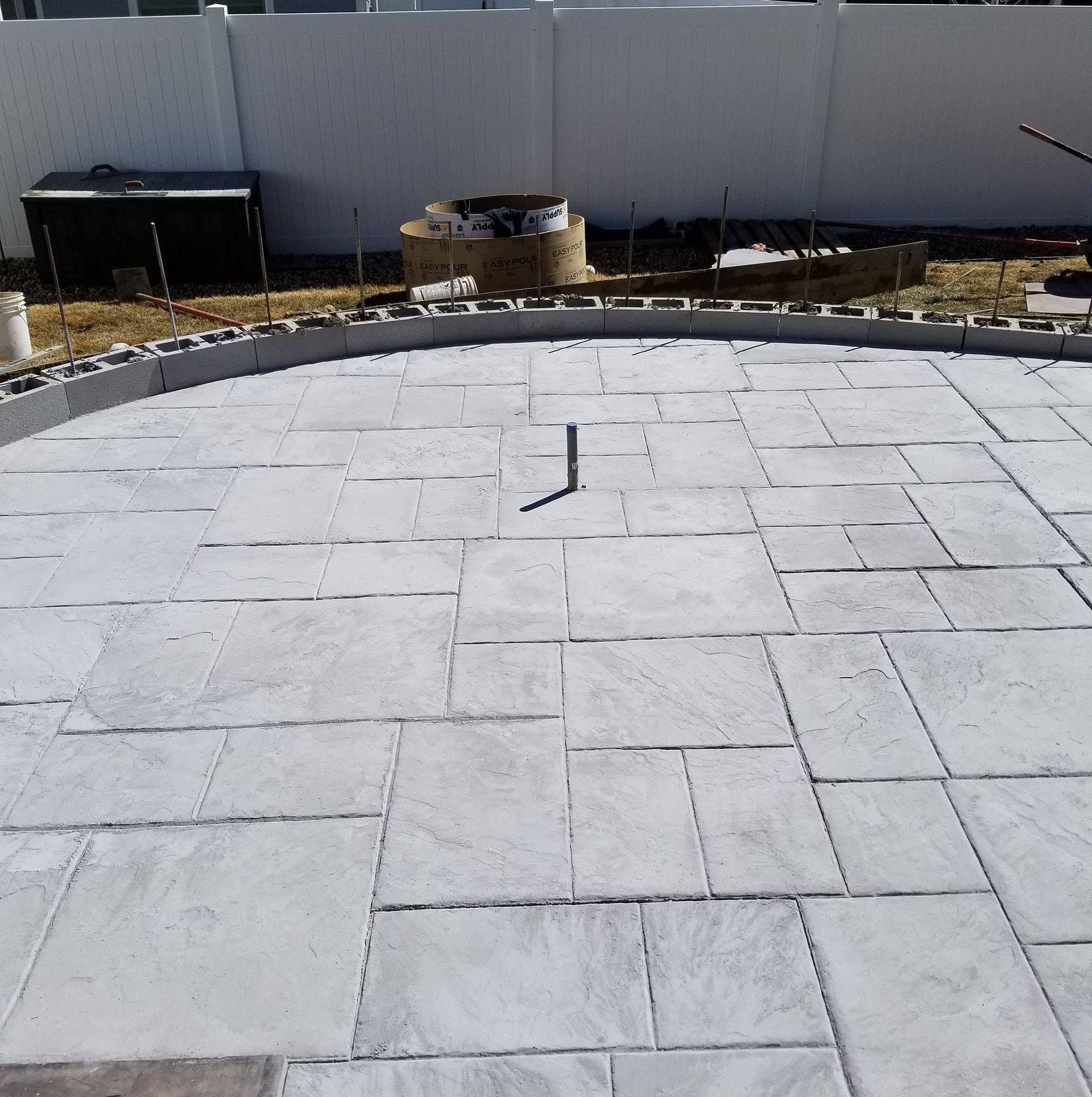
Patios serve as extensions of indoor living spaces and are perfect for decorative concrete applications. Techniques such as acid staining or polished finishes can produce surfaces that are elegant and inviting, suitable for outdoor dining, entertaining, or relaxation. Beyond aesthetics, these finishes offer durability and slip-resistance, making patios safe and functional for family gatherings.
Best Practices: When designing a concrete patio, consider drainage and slope to prevent water pooling. Integrate natural elements such as planters or fire pits with decorative concrete borders to add cohesion to the outdoor space. The versatility of decorative concrete ensures patios can be modern, rustic, or anything in between.
Expanding Outdoor Living Areas
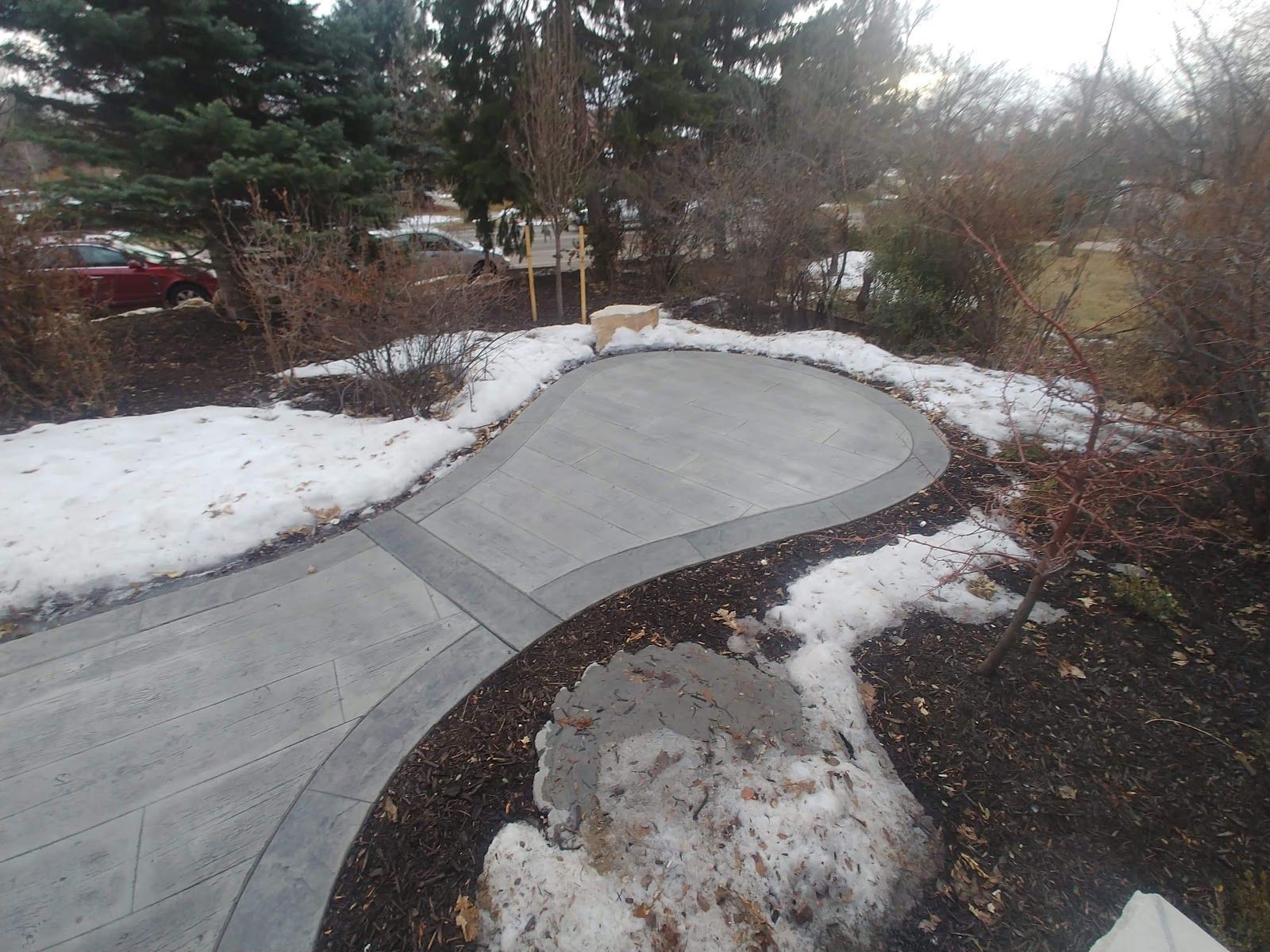
Beyond driveways and patios, decorative concrete can define pathways, pool decks, and garden borders. Exposed aggregate finishes, for instance, provide a textured, slip-resistant surface ideal for poolside areas, combining beauty with safety. Adding subtle patterns or custom inlays can create a sense of luxury in even the smallest backyard spaces, enhancing both usability and visual appeal.
Interior Applications of Decorative Concrete
Polished Concrete Floors
Interior flooring is no longer limited to wood, tile, or carpet. Polished concrete floors offer a sleek, modern look that is increasingly popular in contemporary home designs. The process involves grinding and polishing the concrete surface to a glossy finish, which reflects light and creates an expansive, bright appearance. Polished concrete is ideal for living rooms, kitchens, and basements, providing a low-maintenance, durable surface capable of withstanding daily wear and tear.
Benefits: Polished concrete is hypoallergenic, easy to clean, and compatible with radiant floor heating systems. Its reflective properties reduce the need for additional lighting, contributing to energy efficiency.
Decorative Interior Finishes
Decorative concrete techniques extend beyond flooring. Wall panels, countertops, and even fireplace surrounds can be created using stamped or stained concrete, adding a unique, customized touch to interiors. Homeowners can choose from subtle neutral tones or vibrant accent colors to complement existing décor, achieving a high-end designer look without the premium costs of natural stone or quartz.
Expert Insight: Interior concrete finishes work best when integrated with other materials such as wood or metal, providing contrast and depth to the space. Additionally, sealers protect surfaces from stains and scratches, maintaining beauty over time.
Basement and Utility Areas
Basements, laundry rooms, and utility spaces often face moisture challenges. Decorative concrete provides a solution with moisture-resistant properties and customizable designs that make even utilitarian spaces visually appealing. Acid staining or epoxy coatings can transform a dull basement floor into a stylish area suitable for recreational use or storage, offering both aesthetics and practicality.
Creative Techniques for Decorative Concrete
Stamping and Texturing
Stamped concrete mimics natural stone, brick, or tile by pressing patterns into freshly poured concrete. This technique allows homeowners to achieve complex designs without the high cost of actual stonework. Texturing not only enhances visual appeal but also provides slip resistance for outdoor areas.
Tip: Use multiple color blends and subtle variations to achieve a natural appearance rather than a uniform, artificial look.
Staining and Coloring
Concrete staining penetrates the surface to create rich, translucent hues that highlight texture and depth. Acid stains produce earthy, variegated tones, while water-based stains offer a broader palette with vibrant shades. Both methods can be combined with sealers to protect surfaces from UV exposure, wear, and stains.
Polishing and Sealing
Polished concrete creates a smooth, reflective surface suitable for indoor or covered outdoor areas. The process involves grinding the concrete to a desired level of shine, followed by sealing to protect against spills, scratches, and dirt. Polished concrete is both modern and practical, often chosen for kitchens, hallways, and commercial-inspired interiors.
Exposed Aggregate Finishes
Exposed aggregate finishes reveal the natural beauty of stones and pebbles within the concrete, creating a textured and visually dynamic surface. This technique is particularly popular for walkways, driveways, and pool decks, offering durability and slip resistance. Aggregate size and color can be customized to suit any design preference.
Benefits of Decorative Concrete
Longevity and Durability
One of the primary advantages of decorative concrete is its longevity. Unlike wood or asphalt, which may deteriorate rapidly due to weather or usage, concrete maintains its structural integrity for decades. When properly installed and sealed, decorative concrete can withstand heavy vehicles, outdoor elements, and high foot traffic without significant wear.
Cost-Effectiveness
While high-end materials like natural stone or pavers can be expensive to purchase and install, decorative concrete offers similar aesthetics at a fraction of the cost. The versatility of concrete allows homeowners to achieve custom patterns, colors, and textures without exceeding their budget.
Low Maintenance
Decorative concrete requires minimal maintenance. Regular cleaning and periodic sealing are typically sufficient to preserve its beauty and functionality. This low-maintenance aspect makes it a practical choice for both busy households and commercial applications.
Eco-Friendly Options
Concrete can be an environmentally friendly choice. Many decorative concrete finishes incorporate recycled materials, and polished concrete eliminates the need for additional floor coverings. Furthermore, its durability reduces the frequency of replacement, minimizing material waste over time.
Challenges and Considerations
Installation Expertise
Decorative concrete installation requires specialized knowledge. Poorly executed stamping, staining, or sealing can result in uneven color, cracking, or diminished durability. Hiring experienced professionals ensures high-quality results that maximize the lifespan and visual appeal of the surface.
Climate Considerations
Homeowners in regions with freeze-thaw cycles or extreme heat must consider expansion joints, proper drainage, and sealers to prevent cracking and discoloration. Choosing the right mix of concrete and protective finishes is critical to maintaining surface integrity.
Design Limitations
While decorative concrete is highly versatile, certain designs may not be feasible for all areas. For example, highly intricate patterns may be challenging on large driveways or outdoor slopes. Planning layouts carefully and consulting experts can mitigate these challenges.
Best Practices for Long-Lasting Decorative Concrete
Proper Preparation and Subgrade
The foundation of any successful decorative concrete project begins with proper subgrade preparation. Compaction, grading, and drainage considerations are essential to prevent settling or cracking over time. A strong base ensures the decorative concrete maintains its integrity for years.
Sealing and Maintenance
Sealing decorative concrete enhances its longevity and aesthetic appeal. Sealers protect against stains, UV damage, and moisture penetration. Regular cleaning with non-abrasive solutions prevents dirt buildup, while resealing every few years keeps surfaces looking vibrant.
Integration with Landscape and Design
Decorative concrete works best when integrated thoughtfully into overall home and landscape design. Matching colors to exterior materials, incorporating geometric patterns or borders, and harmonizing with garden features can elevate the property’s overall look. Well-designed concrete elements complement existing architecture while adding functional outdoor living space.
Maximizing Durability And Beauty With Concrete Design
With 30
years of experience, Decorative Concrete Finishes LLC, based in Loveland, Colorado, has been a trusted authority in creating high-quality, custom concrete solutions for residential properties. Our team specializes in transforming ordinary surfaces into visually stunning, durable elements, from driveways and patios to interior flooring and landscaping accents. We combine technical expertise, innovative techniques, and a deep understanding of design trends to deliver exceptional results that meet each client’s unique vision. Whether enhancing curb appeal, creating functional outdoor living spaces, or adding stylish interior finishes, our commitment to excellence ensures every project exceeds expectations. Homeowners throughout Loveland and surrounding areas rely on our proven experience, meticulous craftsmanship, and dedication to quality for decorative concrete that stands the test of time.