Concrete Cracking and Spalling After Colorado Winters? Why the Base and Sealer Matter
August 20, 2026
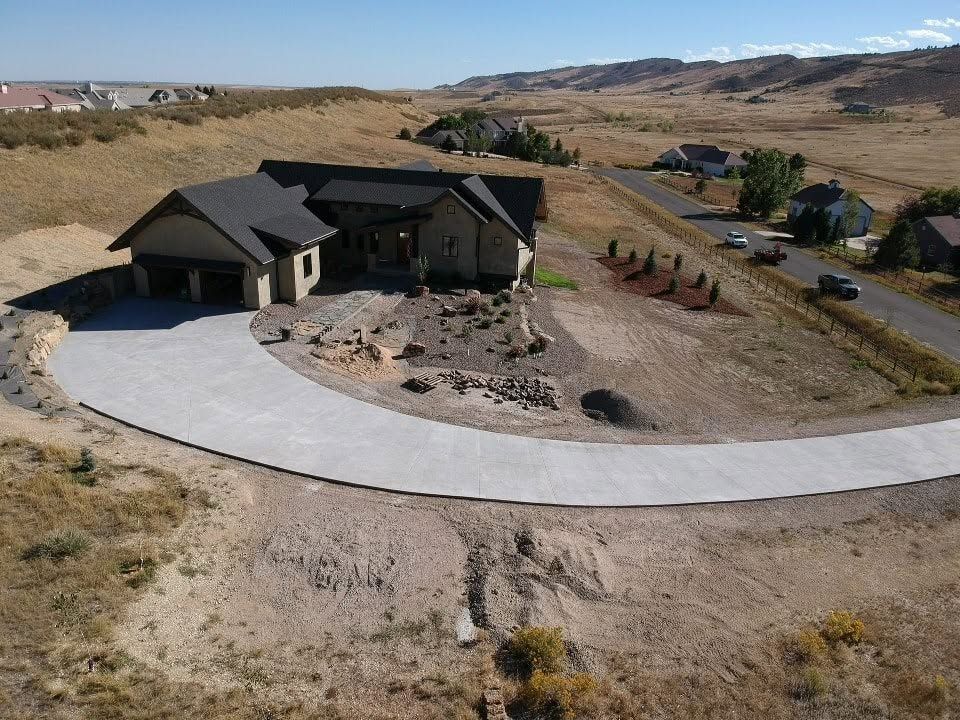
You walk out to the driveway in April, coffee in hand, and stop. The corner near the garage that looked fine in October is pitted and flaking now, with small chunks of surface mortar sitting in the gutter where the snow melted. Your patio has a similar patch near the downspout. Nothing about how you used either surface changed over the winter. The weather did.
Quick Answer: Concrete cracks and spalls after Colorado winters because water gets into the surface, freezes, and expands, and that stress repeats over dozens of freeze-thaw cycles each season. Two things determine whether a slab survives that cycle intact: what's underneath it (a properly compacted base that drains and doesn't heave with frost) and what's on top of it (a sealer that keeps moisture and de-icing chemicals from soaking in). When either one is missing or wears out, the surface takes the damage first as scaling or spalling, and the slab underneath can crack from movement in the base.
How Acid Stains Create Depth
What's Actually Happening Beneath That Chipped Surface
Concrete is porous. Even a well-finished slab has microscopic pores and, over time, hairline surface cracks that let water in. When the temperature drops below freezing, water trapped in those pores turns to ice and expands by roughly nine percent, pushing outward against everything around it. One freeze doesn't do much. Dozens of freeze-thaw cycles across a Northern Colorado winter, where daytime highs can climb well above freezing before the temperature drops hard again overnight, is a different story entirely.
That's not bad luck. It's physics working on your driveway all winter long, one cycle at a time.
Two related but distinct problems tend to show up on a driveway or patio after a hard winter.
Scaling is the flaking or peeling of the top layer of the concrete surface, usually starting as small patches that spread and merge. Light scaling barely shows. Moderate to severe scaling exposes the aggregate underneath and can strip away an eighth of an inch or more of surface material. A technical bulletin from the National Ready Mixed Concrete Association puts it plainly: scaling happens when concrete stays saturated with water and gets frozen repeatedly, and it accelerates fast once de-icing chemicals enter the picture, because they keep the surface wetter for longer stretches.
Spalling goes deeper. It's the chipping, pitting, or breaking away of larger chunks of concrete, sometimes down to the reinforcing steel if the slab has any. Once steel gets exposed to moisture, it corrodes, and corroding steel expands as it rusts, prying the concrete apart from the inside. What starts as a cosmetic annoyance after one winter can turn into a structural problem after several.
How Acid Stains Create Depth
Why the Base Matters More Than Most People Assume
A lot of homeowners assume slab damage is a surface problem, something a fresh coat of sealer will fix. Usually the real story starts several inches lower, in the compacted material the slab sits on.
Northern Colorado sits on a lot of clay soil, and clay doesn't behave like sandy or well-drained ground. It holds water. It expands and contracts as moisture and temperature shift through the seasons. A gravel base that's been properly graded and compacted underneath a slab does more than just hold the concrete up. It spreads the weight evenly so the slab doesn't develop stress points, and it moves water away from the concrete instead of letting it collect underneath. In freeze-thaw country, that second job might matter even more than the first. Water sitting in an under-compacted or poorly drained base freezes right along with everything else, and it expands and lifts the slab unevenly when it does. That's how you end up with a corner that pops up, a crack running corner to corner, or one section settling while the rest stays put.
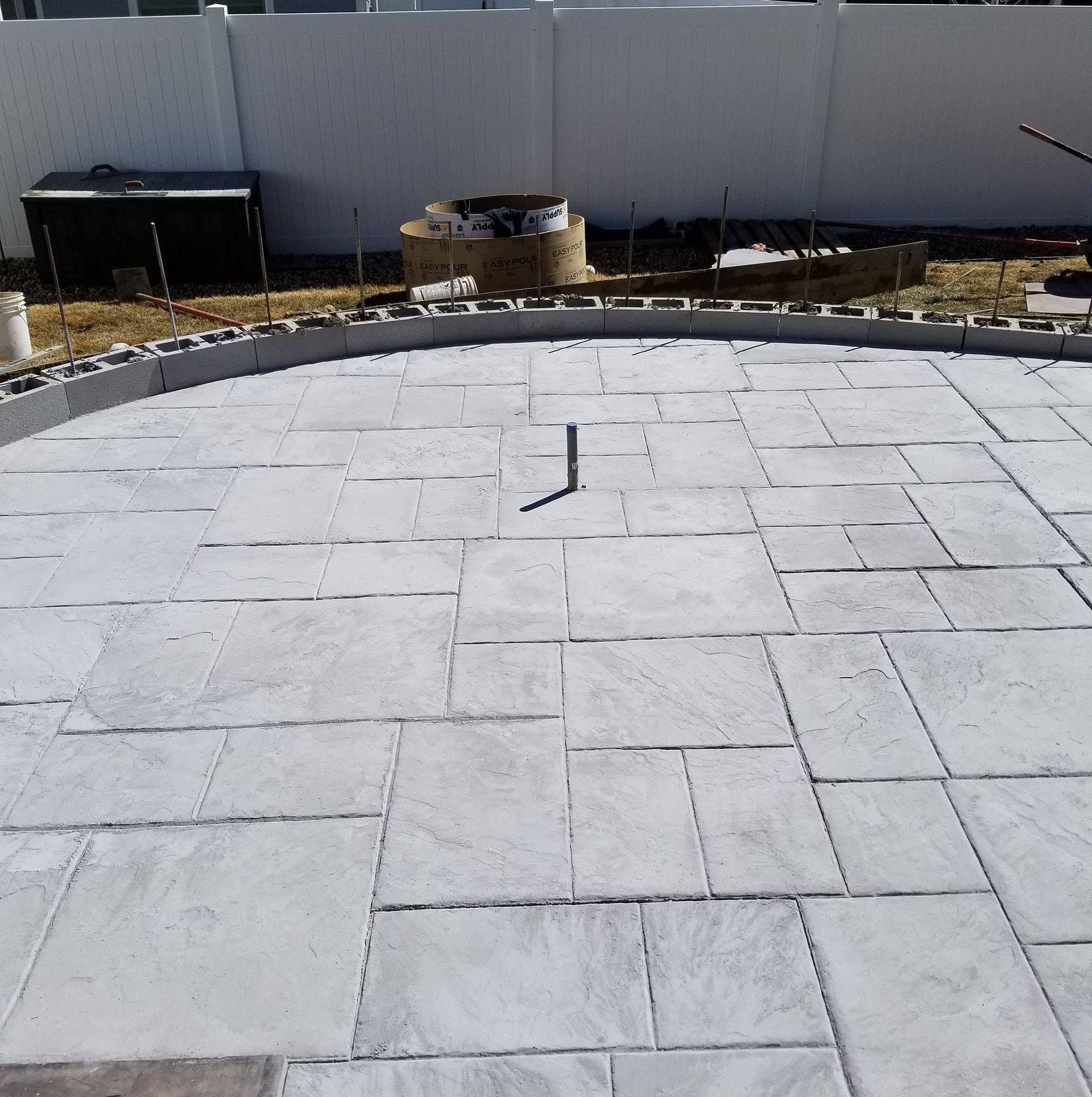
Control joints matter here too, and they're not just a finishing detail. Concrete is going to crack somewhere as it cures and as the ground beneath it shifts with the seasons. Control joints are cut or formed into the slab at planned intervals to give the concrete a place to crack in a straight, hidden line instead of a random one across the middle of your patio. A joint layout built around the slab's actual dimensions and the soil movement underneath it is a big part of why some driveways develop one clean line in a joint after ten winters, while others end up with a spiderweb of cracks across the whole surface.
None of this shows once the concrete is poured, which is exactly why it gets skipped by installers trying to save a day of labor. It's also why two driveways that look identical the week they're finished can age completely differently by their fifth Colorado winter.
Tip: If you're evaluating a contractor for a new pour, ask specifically how many inches of compacted base material they're placing and how they're handling drainage away from the slab. A vague answer is a bigger warning sign than a vague answer about the finish itself, since the finish is the part everyone can see and the base is the part nobody checks until it fails.
How Acid Stains Create Depth
Why the Sealer Is the Slab's First Line of Defense
Even a well-built slab on a solid base still needs a sealer, because the sealer is what keeps water from getting into the surface pores in the first place. A breathable penetrating sealer, the kind based on silane or siloxane, soaks into the concrete and lines those pores so water beads and runs off instead of sinking in, while still letting trapped moisture vapor escape from underneath. That balance matters in a climate with hard freezes. A sealer that traps moisture inside the slab can do more damage than no sealer at all.
Sealer isn't a one-time job. UV exposure at Colorado's altitude is intense, and years of foot and vehicle traffic wear the coating down. De-icing chemicals speed up that breakdown too. As the sealer thins out, the surface underneath starts soaking up water again, and the freeze-thaw cycle picks right back up where it left off. A driveway several years past its last resealing is often the one with the worst spalling by late winter, not because the concrete itself is inferior, but because it's spent several seasons unprotected against freeze-thaw stress.
Timing matters as well. Sealer needs a dry, cured surface to bond to, so late summer, after a stretch of dry days, usually works better than a rushed application right before the first freeze of the year.
How Acid Stains Create Depth
Where De-Icing Chemicals Fit Into the Problem
De-icing salt is part of daily winter life in Loveland, Fort Collins, and every town along the Front Range, but not every deicer treats concrete the same way. Standard rock salt and calcium chloride, used in moderate amounts, are generally fine on cured, sealed concrete. The bigger issue is volume and timing. Heavy or repeated applications keep the surface saturated with a salt solution, and that both draws in more moisture and stacks up more effective freeze-thaw cycles over the course of a season.
New concrete is especially vulnerable to salt because it hasn't fully cured or reached its full strength yet, and it tends to stay more saturated in general. If you had a new slab or overlay poured this past fall, favor sand for traction through the first winter and hold off on salt where you reasonably can.
Warning: Never use ammonium sulfate, ammonium nitrate, or magnesium-based de-icing products on concrete. These are chemically aggressive to the cement paste itself and will accelerate scaling and spalling far faster than plain freeze-thaw cycling alone, sometimes visibly damaging a surface within a single season. If a bag of ice melt doesn't specify that it's safe for concrete and decorative finishes, don't use it near your driveway or patio.
How Acid Stains Create Depth
What a Properly Built and Sealed Surface Looks Like Instead
When the base and the sealer are both handled right, the difference shows up over years, not weeks. A slab poured on a properly compacted, well-drained base holds its grade through repeated freeze-thaw cycles instead of heaving or settling unevenly, and the joints are laid out to control where cracking happens rather than leaving it to chance.
Air-entrained concrete plays a part too. It's mixed with microscopic air bubbles that give the expanding ice somewhere to go without stressing the surrounding material, which is a big reason it resists scaling even under repeated freezing. Add a breathable sealer applied at the right time of year and reapplied on a regular schedule, and you've got a surface that keeps water and de-icing chemicals from soaking in at all.
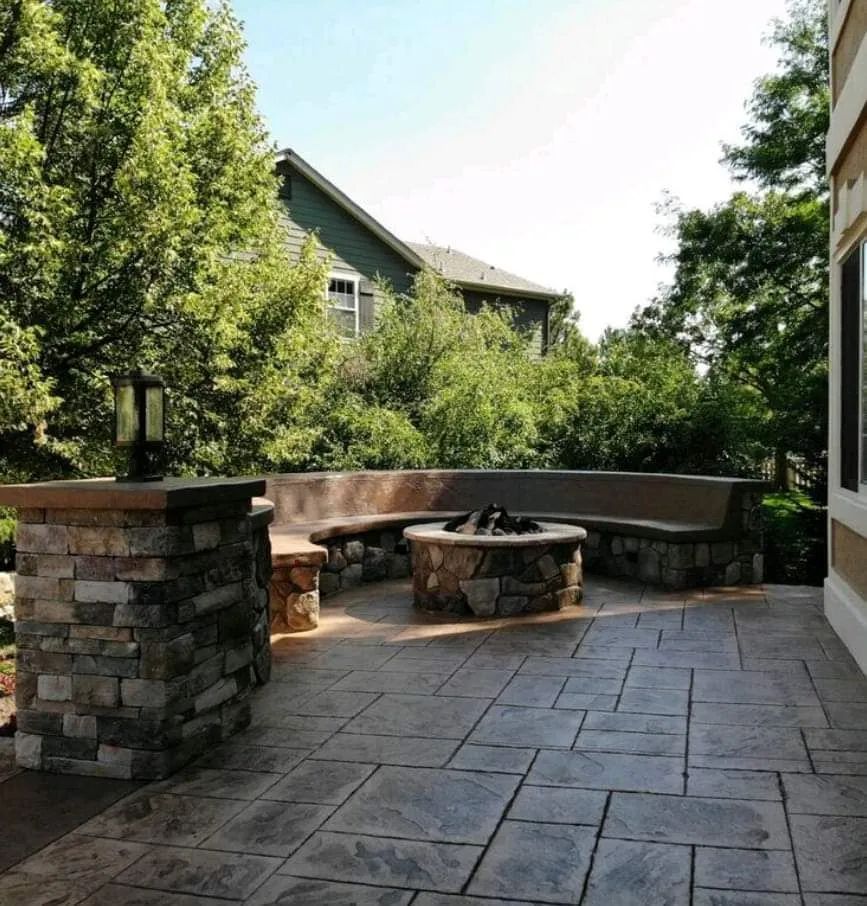
For decorative surfaces like stamped or stained concrete, this matters even more, because the sealer carries the color along with the protection. A worn sealer doesn't just expose the slab to freeze-thaw damage. It lets the finish underneath fade and dull at the same time. Durability and appearance turn out to share the same root cause.
Frequently Asked Questions
What’s the actual difference between concrete scaling and spalling?
Scaling is shallow surface flaking or peeling, while spalling breaks away deeper concrete sections. Both involve moisture and freeze-thaw damage, but spalling is more serious and may expose reinforcement.
Can spalled concrete be repaired, or does the section need replacement?
Shallow spalling can often be patched, resurfaced, or covered with an overlay. Deeper damage caused by unstable bases, reinforcement corrosion, or full-depth cracking may require substantial repairs or replacement.
How soon after a new concrete pour is it safe to use de-icing salt?
Avoid de-icing salt during concrete’s first winter because the slab remains vulnerable to moisture and freeze-thaw damage. Use sand for traction, then introduce salt moderately after about one year.
Does stamped or stained concrete crack and spall differently than plain gray concrete?
Structurally, decorative concrete experiences similar cracking and spalling because base preparation, mix, and joints still matter. However, damage appears more noticeable because it disrupts both the surface and decorative finish.
How often does a driveway or patio in Northern Colorado need to be resealed?
Most Northern Colorado concrete surfaces benefit from resealing every two to three years. Heavy vehicle traffic, strong sunlight, weather exposure, and regular de-icing salt use may require more frequent resealing.
Why does concrete near a downspout or a low spot in the yard spall first?
Low spots and downspouts keep concrete wetter longer. Water saturates surface pores, then expands during freezing, creating greater internal pressure and repeated freeze-thaw stress that accelerates scaling and eventual spalling.
Can a cracked or spalled slab be resurfaced instead of torn out completely?
Yes, when the existing slab and base remain stable. A properly prepared overlay can restore the surface, but ongoing settlement or base movement must be corrected first to prevent recurring cracks.
Does the direction a patio or driveway faces change how much freeze-thaw damage it takes?
Yes. North-facing concrete receives less sunlight, keeping snow, ice, and moisture around longer. These wetter, colder conditions can increase freeze-thaw exposure and accelerate scaling or spalling on inadequately protected surfaces.
How Acid Stains Create Depth
Built to Handle Colorado’s Tough Winter Conditions
Concrete damage after winter often reveals how well the slab was prepared for Northern Colorado’s demanding conditions. A compacted, well-drained base helps limit movement from frost and moisture, while properly planned joints manage natural cracking. At the surface, breathable sealers reduce water absorption and protect against repeated freeze-thaw cycles. Understanding whether deterioration comes from the base, surface, or both makes it easier to determine which repair approach will provide lasting results without simply covering visible damage temporarily.
With 30+ years of experience, Decorative Concrete Finishes LLC understands how
concrete surfaces
in Loveland, CO respond to seasonal temperature swings, snow, moisture, and de-icing materials. Long-term performance depends on treating concrete as a complete system, from the supporting material underneath to the protective sealer above. When those elements work together, driveways and patios are better equipped to resist scaling, spalling, settlement, and uncontrolled cracking while maintaining their appearance and structural integrity through many Colorado winters ahead.