Choosing the Right Decorative Concrete Finish for Your Space: Expert Tips
April 22, 2026
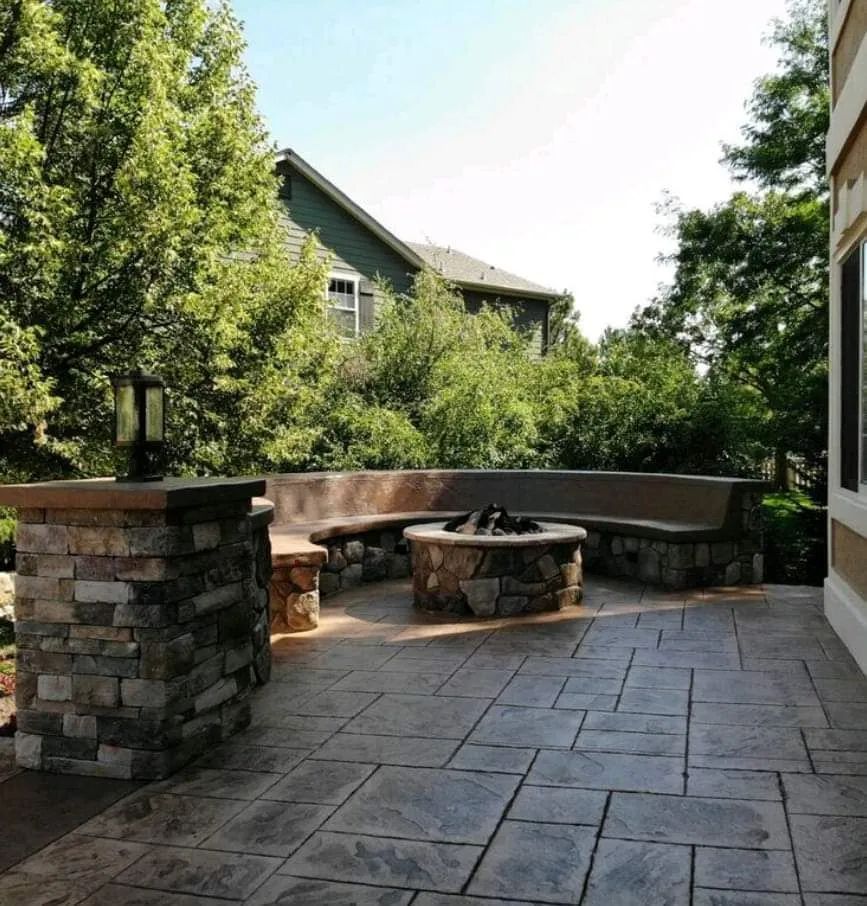
Decorative concrete has evolved far beyond its traditional role as a purely functional material. Today, it stands at the intersection of durability and design, offering a wide range of finishes that can transform ordinary surfaces into visually striking elements. From polished floors in modern interiors to stamped patios that mimic natural stone, decorative concrete provides versatility that suits residential, commercial, and industrial environments. Choosing the right finish is not simply about aesthetics—it involves understanding performance requirements, maintenance expectations, and how the finish complements the surrounding architecture.
With so many options available, selecting the most suitable decorative concrete finish can feel overwhelming. Factors such as climate, foot traffic, budget, and intended use all play a crucial role in determining the best solution. A well-informed decision ensures long-term satisfaction, reducing the need for repairs or replacements while enhancing property value. This guide offers expert insights into the key considerations, popular finishes, and best practices to help navigate the selection process with confidence and clarity.
1. Understanding Decorative Concrete Finishes
What Defines a Decorative Concrete Finish
A decorative concrete finish refers to any treatment applied to concrete surfaces to enhance appearance, texture, and functionality. Unlike plain concrete, these finishes introduce color, pattern, or shine, making the material suitable for design-focused applications. Options range from subtle enhancements like staining to more intricate techniques such as stamping and engraving.
These finishes are not just cosmetic. Each type influences surface performance, including slip resistance, durability, and ease of maintenance. Selecting the right finish requires balancing visual appeal with practical requirements.
Common Types of Decorative Concrete Finishes
Several finishes dominate the market due to their proven performance and versatility:
- Stamped Concrete: Replicates materials like brick, slate, or wood
- Polished Concrete: Smooth, glossy finish ideal for interiors
- Stained Concrete: Adds rich, translucent color variations
- Exposed Aggregate: Reveals natural stone textures within concrete
- Overlay Systems: Thin layers applied to refresh existing surfaces
Each finish offers distinct advantages, making it essential to match the type with the intended application.
2. Evaluating Your Space and Functional Needs
Indoor vs. Outdoor Applications
The location of the concrete surface significantly impacts finish selection. Indoor spaces often prioritize aesthetics and ease of cleaning, making polished or stained concrete popular choices. These finishes provide a sleek appearance and are resistant to dust accumulation.
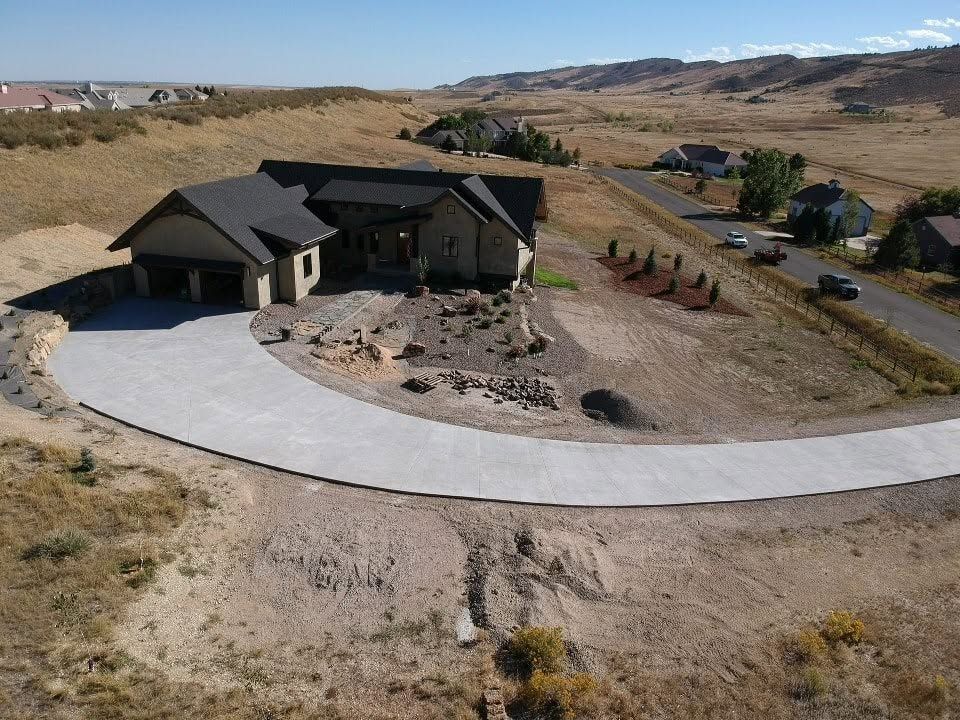
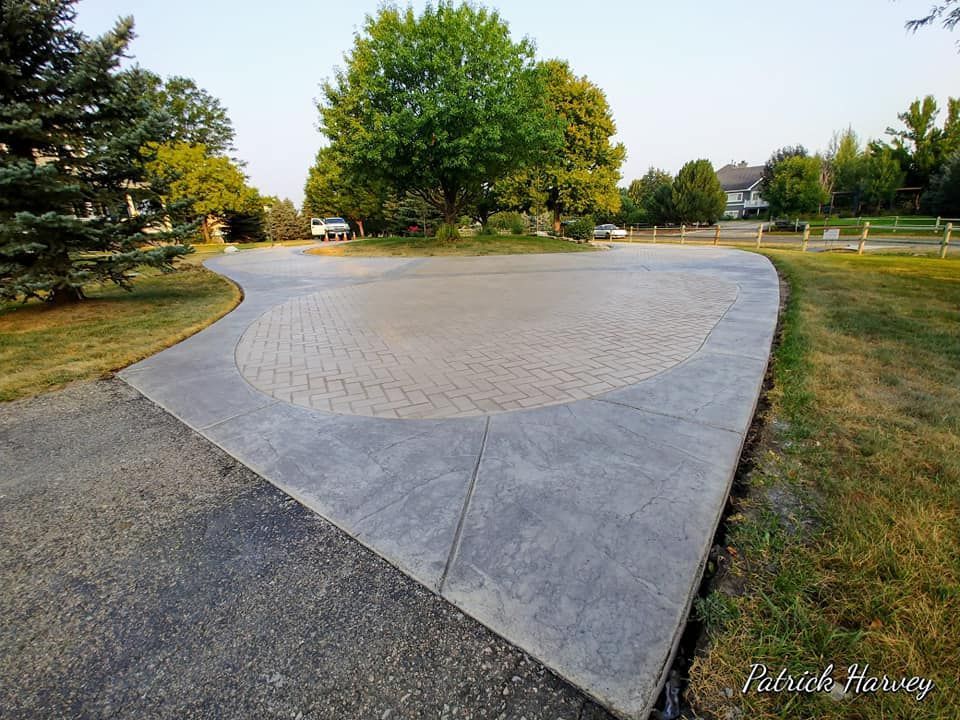
Outdoor areas, on the other hand, require finishes that withstand weather fluctuations, UV exposure, and moisture. Stamped or exposed aggregate finishes are ideal for patios, driveways, and walkways due to their durability and slip resistance.
Traffic Levels and Usage
Understanding how the space will be used is critical. High-traffic areas such as commercial floors or driveways demand finishes that resist wear and abrasion. Polished concrete, for example, performs well in busy environments due to its hardened surface.
For decorative spaces with lighter use, more intricate finishes like staining or overlays can be considered. These provide aesthetic value without needing the same level of durability as heavy-use surfaces.
Climate Considerations
Environmental factors play a major role in long-term performance. Freeze-thaw cycles, heat exposure, and moisture levels can affect certain finishes differently. For example:
- Freeze-thaw climates require finishes with strong sealing properties
- Hot climates benefit from lighter-colored finishes that reflect heat
- Humid environments need moisture-resistant coatings
Matching the finish to the climate ensures longevity and reduces maintenance costs.
3. Design Aesthetics and Customization Options
Matching Architectural Style
Decorative concrete should complement the overall design of the space. A modern home may benefit from polished concrete floors with clean lines, while a rustic outdoor setting might call for stamped concrete that mimics natural stone.
Consistency in design enhances visual harmony. Selecting colors, textures, and patterns that align with existing materials creates a cohesive look that elevates the entire space.
Color Selection and Effects
Color plays a crucial role in decorative concrete finishes. Options include integral coloring, staining, and dyes, each offering different levels of intensity and variation.
- Integral Color: Mixed into concrete for consistent color
- Acid Stains: Create natural, marbled effects
- Water-Based Stains: Offer broader color palettes
Lighter colors can make spaces feel larger and cooler, while darker tones add depth and sophistication. Choosing the right color enhances both aesthetics and functionality.
Texture and Pattern Choices
Texture influences both appearance and safety. Smooth finishes like polished concrete create a sleek look but may require additional treatments for slip resistance. Textured finishes such as stamped or exposed aggregate provide better traction, making them suitable for outdoor areas.
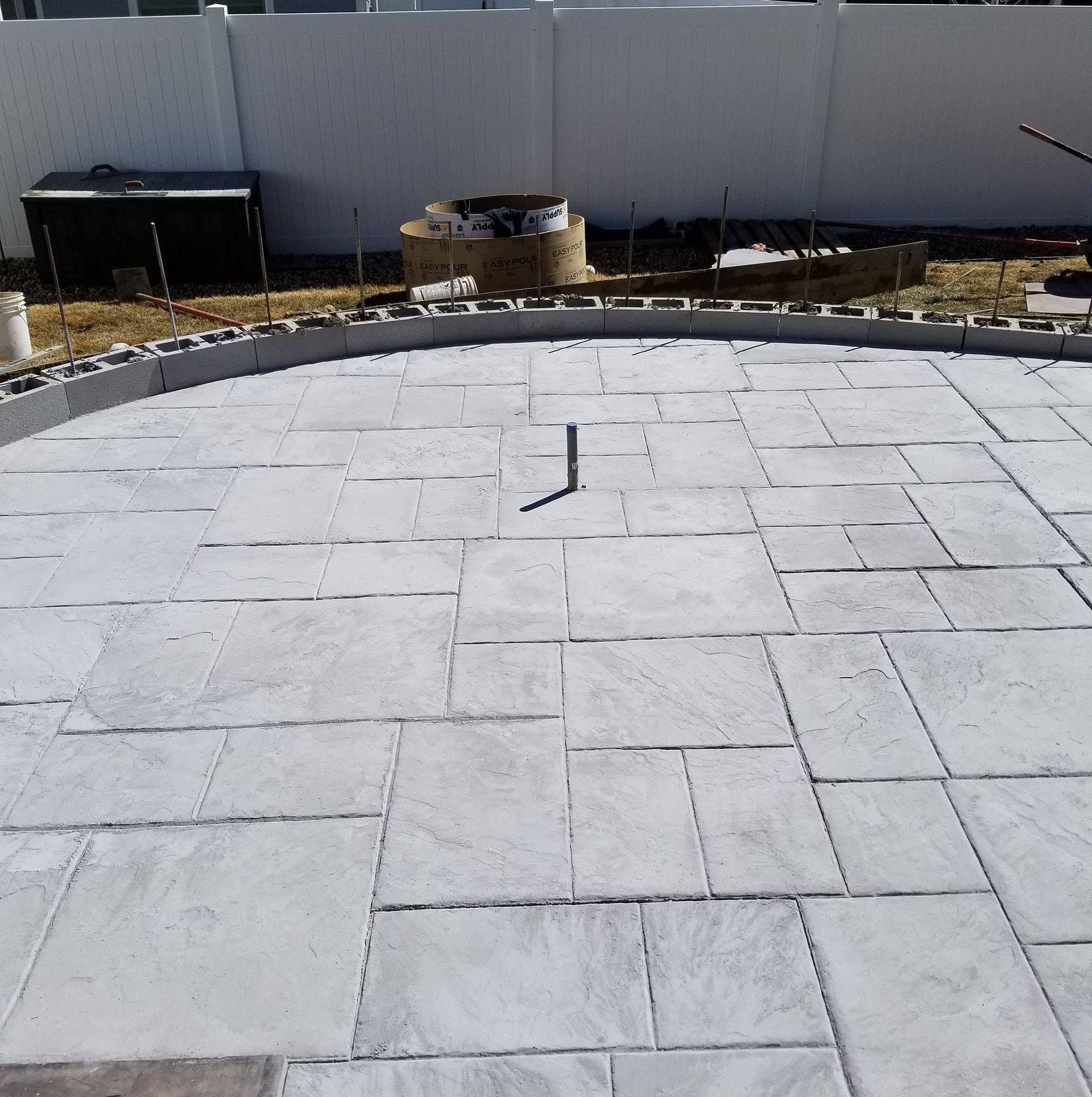
Patterns add another layer of customization. From geometric designs to natural stone replicas, these options allow for creative expression while maintaining the durability of concrete.
4. Durability, Maintenance, and Longevity
> Resistance to Wear and Damage
Durability is one of the primary reasons decorative concrete is widely used. However, not all finishes perform equally under stress. Polished concrete offers high resistance to scratches and stains, while stamped concrete may require periodic resealing to maintain its appearance.
Understanding the expected level of wear helps in selecting a finish that maintains its integrity over time. Investing in a durable finish reduces long-term repair costs.
> Maintenance Requirements
Each decorative concrete finish comes with specific maintenance needs.
- Polished Concrete: Requires minimal upkeep, mainly routine cleaning
- Stamped Concrete: Needs resealing every few years
- Stained Concrete: May require occasional touch-ups
- Exposed Aggregate: Requires cleaning to prevent debris buildup
Choosing a finish that aligns with maintenance capabilities ensures consistent performance and appearance.
> Long-Term Value
Decorative concrete is a long-term investment. Selecting the right finish enhances property value by improving aesthetics and functionality. High-quality finishes can last decades when properly maintained, making them a cost-effective solution over time.
Balancing initial cost with long-term benefits is essential. A slightly higher upfront investment in a durable finish often results in lower maintenance and replacement expenses.
5. Installation Process and Professional Expertise
Importance of Proper Installation
Even the best decorative concrete finish can fail if not installed correctly. Surface preparation, curing conditions, and application techniques all influence the final result. Poor installation can lead to issues such as cracking, discoloration, or uneven textures.
Working with experienced professionals ensures that the finish is applied correctly, maximizing both performance and visual appeal.
Timeline and Project Planning
Different finishes require varying installation timelines. Polished concrete may involve multiple grinding stages, while stamped concrete requires precise timing during the curing process.
Planning the project timeline helps avoid delays and ensures optimal results. Factors such as weather conditions and site preparation should be considered during scheduling.
Common Challenges and Solutions
Decorative concrete projects can face challenges such as:
- Surface imperfections
- Color inconsistencies
- Environmental constraints
These challenges can be mitigated through proper planning, skilled workmanship, and the use of high-quality materials. Addressing potential issues early ensures a smoother installation process.
6. Budget Considerations and Cost Efficiency
> Initial Costs vs. Long-Term Savings
The cost of decorative concrete finishes varies based on complexity, materials, and labor. While some finishes may appear expensive initially, their durability and low maintenance often result in long-term savings.
For example, polished concrete eliminates the need for additional flooring materials, reducing overall costs. Similarly, stamped concrete provides the look of natural stone at a fraction of the price.
> Balancing Quality and Budget
Selecting a finish should involve a balance between budget constraints and desired outcomes. Cutting costs on materials or installation can lead to premature failures and higher expenses in the future.
Investing in quality ensures better performance and longevity. Prioritizing essential features such as durability and weather resistance helps achieve the best value.
> Maximizing Return on Investment
Decorative concrete enhances both functionality and visual appeal, making it a valuable addition to any property. Well-designed finishes can increase property value and attract potential buyers or clients.
Focusing on high-impact areas such as entryways, patios, and floors maximizes the return on investment. Strategic use of decorative concrete creates a lasting impression while maintaining cost efficiency.
Reliable Decorative Concrete Services With Proven Expertise
Choosing the right decorative concrete finish requires a careful balance of aesthetics, functionality, and long-term performance. By understanding the various finish types, evaluating the specific needs of the space, and considering factors such as climate, durability, and maintenance, it becomes easier to make informed decisions. Each finish offers unique benefits, and aligning those benefits with project goals ensures a result that is both visually appealing and structurally reliable. Proper installation and thoughtful planning further enhance the effectiveness of decorative concrete, minimizing potential issues and maximizing lifespan. Whether for residential or commercial applications, the right finish can significantly elevate the overall design while maintaining the strength and resilience that concrete is known for.
A well-executed decorative concrete project demands expertise, precision, and a deep understanding of materials and design. Decorative Concrete Finishes LLC, a trusted concrete contractor based in Loveland, Colorado, brings over 30
years of industry experience to every project. With a commitment to quality craftsmanship and innovative design solutions, we ensure each surface reflects both durability and visual excellence. Our approach focuses on understanding project goals, recommending suitable finishes, and executing with meticulous attention to detail. From concept to completion, we prioritize long-term performance, aesthetic value, and client satisfaction. By combining proven techniques with modern advancements, we deliver results that stand the test of time while enhancing the overall appeal and functionality of any space.