The Art of Concrete: Blending Durability with Aesthetic Elegance
March 26, 2026
Concrete has long been regarded as a purely functional material — strong, reliable, and built to last. From infrastructure projects to residential foundations, its reputation has been firmly rooted in durability and performance. However, modern construction and design trends are redefining how concrete is perceived and utilized. Today, concrete is not only a structural necessity but also a design medium capable of delivering striking visual impact. Architects, designers, and property owners are increasingly recognizing its potential to enhance both functionality and aesthetic appeal in diverse settings.
The evolution of concrete technology, combined with creative finishing techniques and innovative applications, has opened new possibilities for transforming spaces. Whether used in decorative flooring, outdoor patios, commercial facades, or custom interior features, concrete now offers flexibility that aligns with contemporary design expectations. Its ability to be molded, textured, colored, and polished enables professionals to craft visually compelling environments without compromising strength or longevity. As sustainability, cost efficiency, and design versatility continue to shape the construction industry, understanding the art of blending concrete’s durability with aesthetic elegance has become essential for delivering lasting value and visual excellence.
Redefining Concrete as a Design-Centric Material
From Structural Backbone to Visual Statement
Historically, concrete was valued primarily for its compressive strength and structural integrity. While these qualities remain fundamental, advancements in materials science and finishing techniques have elevated its role in design. Today, concrete surfaces can mimic natural stone, wood, tile, or even metallic textures, enabling property owners to achieve premium aesthetics at a controlled cost. This transformation allows concrete to move beyond utilitarian use into the realm of artistic expression and architectural storytelling.
Expanding Design Possibilities Across Sectors
Concrete’s versatility is evident in both residential and commercial environments. In homes, it is used for polished floors, countertops, decorative driveways, and feature walls. In commercial spaces, it supports brand identity through customized textures and colors. For example, retail showrooms may use patterned concrete flooring to guide customer flow, while hospitality venues leverage stamped concrete patios to create inviting outdoor experiences. These applications demonstrate how design-driven concrete solutions can elevate the perception of built environments.
Techniques That Enhance Aesthetic Appeal
Stamped and Textured Finishes
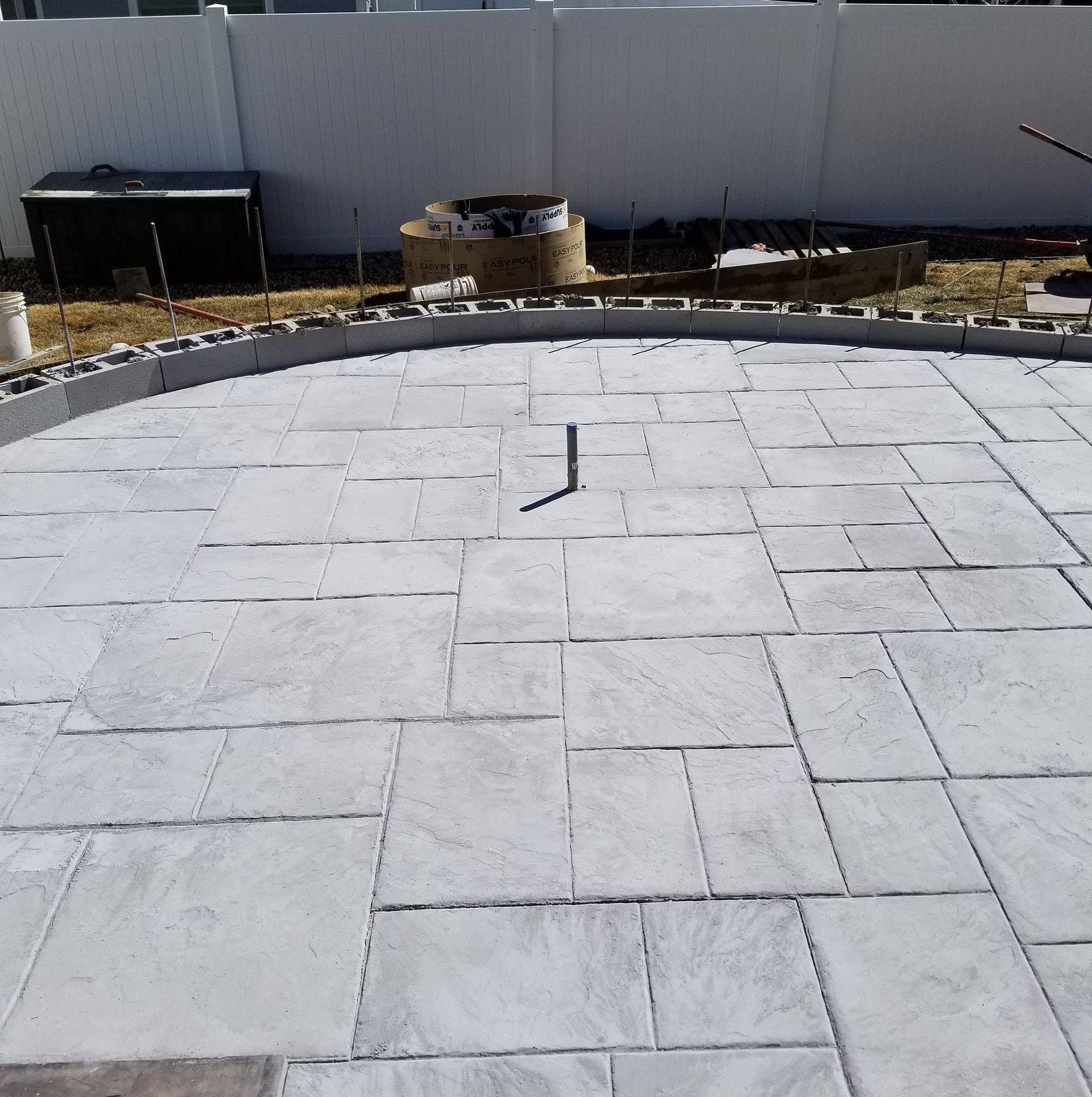
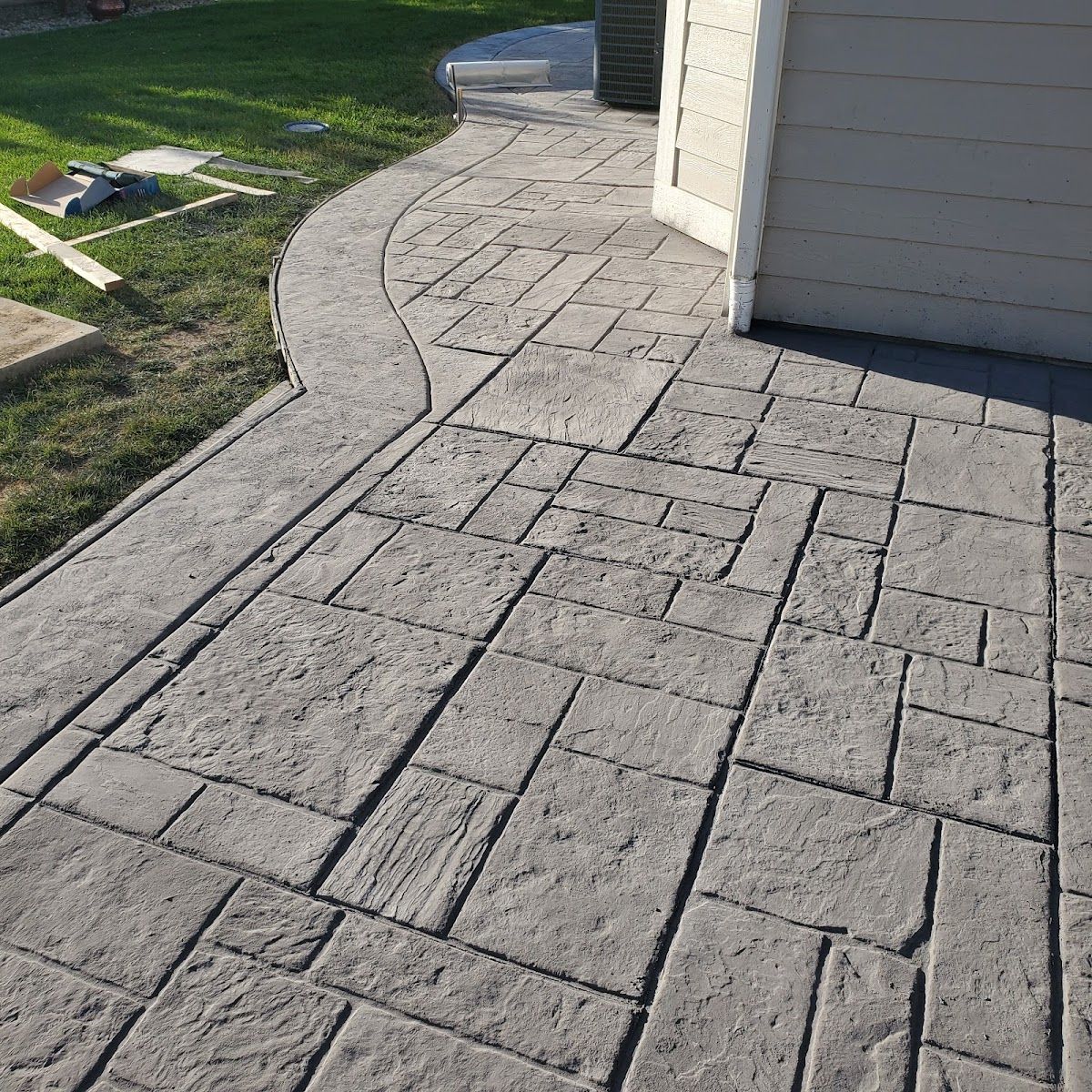
Stamped concrete is one of the most popular decorative approaches for enhancing visual interest in modern construction projects. By imprinting patterns that replicate brick, slate, or cobblestone, professionals can deliver high-end finishes with improved durability and reduced maintenance requirements over time. Textured surfaces also improve slip resistance, making them suitable for outdoor walkways, pool decks, and frequently used public gathering spaces.
Integral Coloring and Surface Treatments
Color integration during the mixing stage ensures consistent hues throughout the slab, minimizing fading and wear visibility even in demanding environments. Surface treatments such as acid staining, water-based dyes, and overlays offer additional customization for both subtle and bold design visions. These methods allow designers to experiment with gradients, marbling effects, or bold contemporary tones that complement surrounding architecture and interior décor themes.
Polishing for Modern Sophistication
Polished concrete has become a hallmark of modern interior design in both residential and commercial architectural settings worldwide. Through mechanical grinding and sealing, contractors achieve reflective surfaces that enhance natural lighting and create an upscale ambiance within open floor plans. This finish is particularly valuable in commercial environments where durability, easy cleaning, and visual consistency are critical for maintaining a professional appearance.
Balancing Durability with Long-Term Performance
Strength and Load-Bearing Reliability
Concrete’s inherent strength makes it suitable for high-traffic zones, industrial facilities, parking structures, and critical structural building components. When properly mixed, reinforced, and cured, it withstands heavy loads, extreme weather, and environmental stressors over extended service periods. This durability reduces repair frequency and extends service life, making it a practical investment for property owners seeking reliability and performance.
Resistance to Environmental Challenges
Modern formulations enhance resistance to moisture penetration, freeze-thaw cycles, chemical exposure, and surface abrasion in challenging site conditions. Sealants and protective coatings further improve longevity by preventing surface deterioration caused by seasonal expansion or contraction. For example, in outdoor entertainment areas, sealed decorative concrete can endure climate fluctuations while maintaining its visual appeal and structural stability.
Minimizing Maintenance Demands
Compared to traditional materials such as wood, pavers, or natural stone, concrete requires less frequent upkeep and long-term restoration expenses. Periodic resealing and routine cleaning help preserve finish quality without extensive resurfacing or disruptive renovation processes. This balance between performance and convenience makes concrete an attractive solution for projects prioritizing operational efficiency, lifecycle value, and consistent aesthetic appeal.
Real-World Applications Showcasing Concrete’s Artistic Value
Residential Transformations
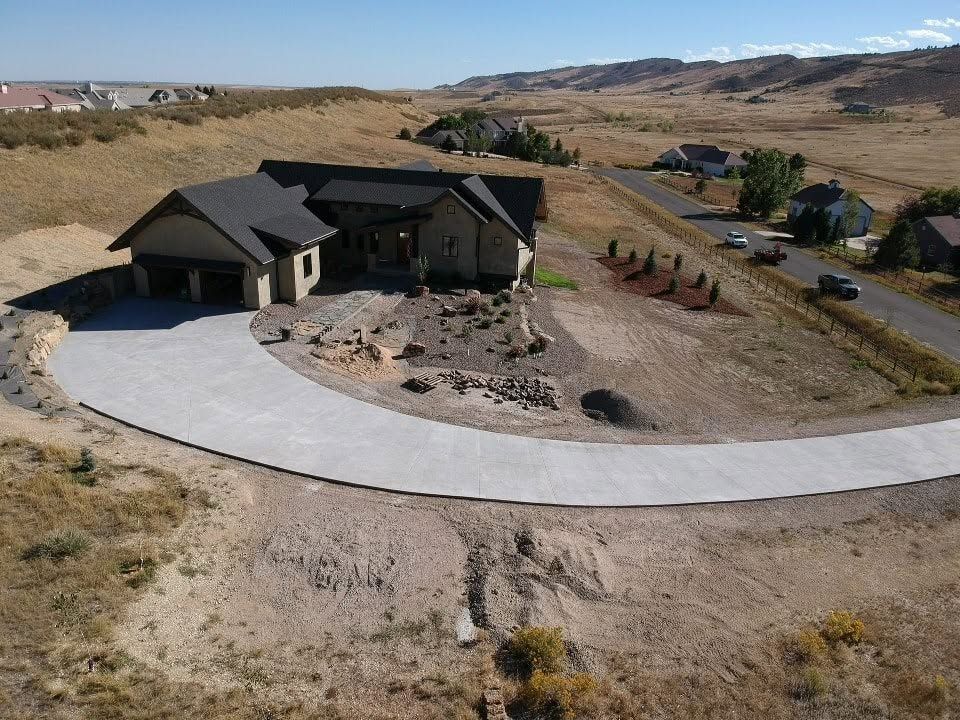
Homeowners increasingly turn to decorative concrete for renovations that blend practicality with visual charm and modern architectural cohesion. A stamped driveway, for instance, can dramatically improve curb appeal while supporting vehicle weight and resisting surface wear effectively. Similarly, polished concrete interiors create seamless transitions between living spaces, enhancing openness, light reflection, and contemporary design aesthetics throughout the home.
Commercial Branding and Experience Design
Businesses use customized concrete finishes to reinforce brand identity and elevate overall customer experience within competitive marketplace environments. Restaurants may incorporate textured flooring that complements thematic décor, while corporate offices utilize sleek polished surfaces to convey professionalism and innovation. These strategic design choices influence perception, encourage engagement, and contribute to memorable environments that support long-term brand recognition.
Outdoor Living Enhancements
Concrete plays a vital role in creating functional outdoor living areas designed for comfort, entertainment, and everyday usability. Fire pit surrounds, garden pathways, and entertainment patios benefit from durable decorative surfaces that withstand foot traffic and changing weather exposure. By integrating design elements such as borders, embedded lighting channels, or contrasting textures, contractors can elevate both usability and visual impact significantly.
Sustainability and Cost Efficiency in Modern Concrete Solutions
Resource Optimization and Longevity
Concrete’s long lifespan reduces the need for frequent replacements, conserving natural resources and minimizing construction waste generation over time. Incorporating recycled aggregates or supplementary cementitious materials further improves environmental performance without sacrificing structural integrity or finish quality. These practices align with sustainable construction goals while maintaining reliability, durability, and adaptability across diverse building applications.
Energy Efficiency Through Thermal Mass
Concrete’s thermal mass properties contribute to indoor climate stability by regulating temperature fluctuations within occupied spaces throughout seasonal cycles. Floors and walls absorb heat during the day and release it gradually, reducing reliance on heating and cooling systems significantly. This characteristic enhances energy efficiency in both residential and commercial buildings while improving occupant comfort and reducing operational costs.
Budget-Friendly Customization
Decorative concrete offers high design value without the expense associated with premium natural materials or complex installation techniques. By selecting appropriate finishes, colors, and application methods, project stakeholders can achieve distinctive aesthetics within clearly defined budget constraints. This combination of affordability, versatility, and visual sophistication supports widespread adoption across diverse project types and property improvement initiatives.
Best Practices for Achieving Elegant and Durable Results
Strategic Planning and Surface Preparation
Successful decorative concrete projects begin with thorough planning that considers structural requirements, design objectives, and environmental conditions carefully. Proper subgrade preparation, reinforcement selection, and mix design influence long-term performance and minimize the risk of cracking or settlement. Contractors must also evaluate site conditions such as drainage patterns, load requirements, soil stability, and potential exposure risks.
Precision in Application Techniques
Achieving refined finishes requires skilled workmanship, precise timing, and close attention to detail throughout every stage of installation. Timing is critical when stamping patterns or applying stains, as surface moisture levels and curing rates directly affect outcomes. Professionals often conduct mockups or sample tests to ensure consistency, visual accuracy, and complete client satisfaction before full project execution.
Ongoing Maintenance and Protection
Even the most durable concrete surfaces benefit from proactive care that preserves performance and enhances long-term visual appeal. Routine cleaning, resealing schedules, and prompt repair of minor cracks prevent deterioration and extend functional lifespan considerably. Educating property owners about realistic maintenance expectations helps protect their investment while ensuring surfaces continue to perform and look impressive.
Dedicated Professionals Blending Strength Innovation, and Surface Beauty
Concrete’s transformation from a purely structural material into a versatile design element highlights its growing significance in modern construction. By combining advanced finishing techniques with proven engineering principles, professionals can deliver solutions that meet both performance and aesthetic objectives. Decorative applications, sustainability benefits, and long-term cost efficiency make concrete a compelling choice for diverse projects. Understanding how to balance durability with artistic expression enables stakeholders to create environments that are both functional and visually engaging.