Innovative Techniques in Decorative Concrete That Redefine Outdoor Living Spaces
June 16, 2026
Outdoor living spaces have evolved far beyond simple patios and plain sidewalks. Homeowners and landscape designers are now treating exterior surfaces as extensions of interior design, demanding materials that combine durability with visual impact. Decorative concrete has risen to meet that demand, offering a canvas for creativity that traditional materials simply cannot match. From resort-style pool decks to artisan-finished driveways, the possibilities have expanded dramatically over the past two decades.
What makes decorative concrete particularly compelling is the convergence of material science and craftsmanship. New application methods, advanced sealers, and refined finishing tools have opened up techniques that were once limited to high-end commercial projects. Today, residential property owners across the country are investing in stamped overlays, acid staining, and exposed aggregate finishes to transform their outdoor environments into spaces worth spending time in. Understanding which techniques work best, and why, helps property owners make informed decisions before a single batch of concrete is poured.
Stamped Concrete: Pattern and Texture at Scale
What Stamped Concrete Actually Involves
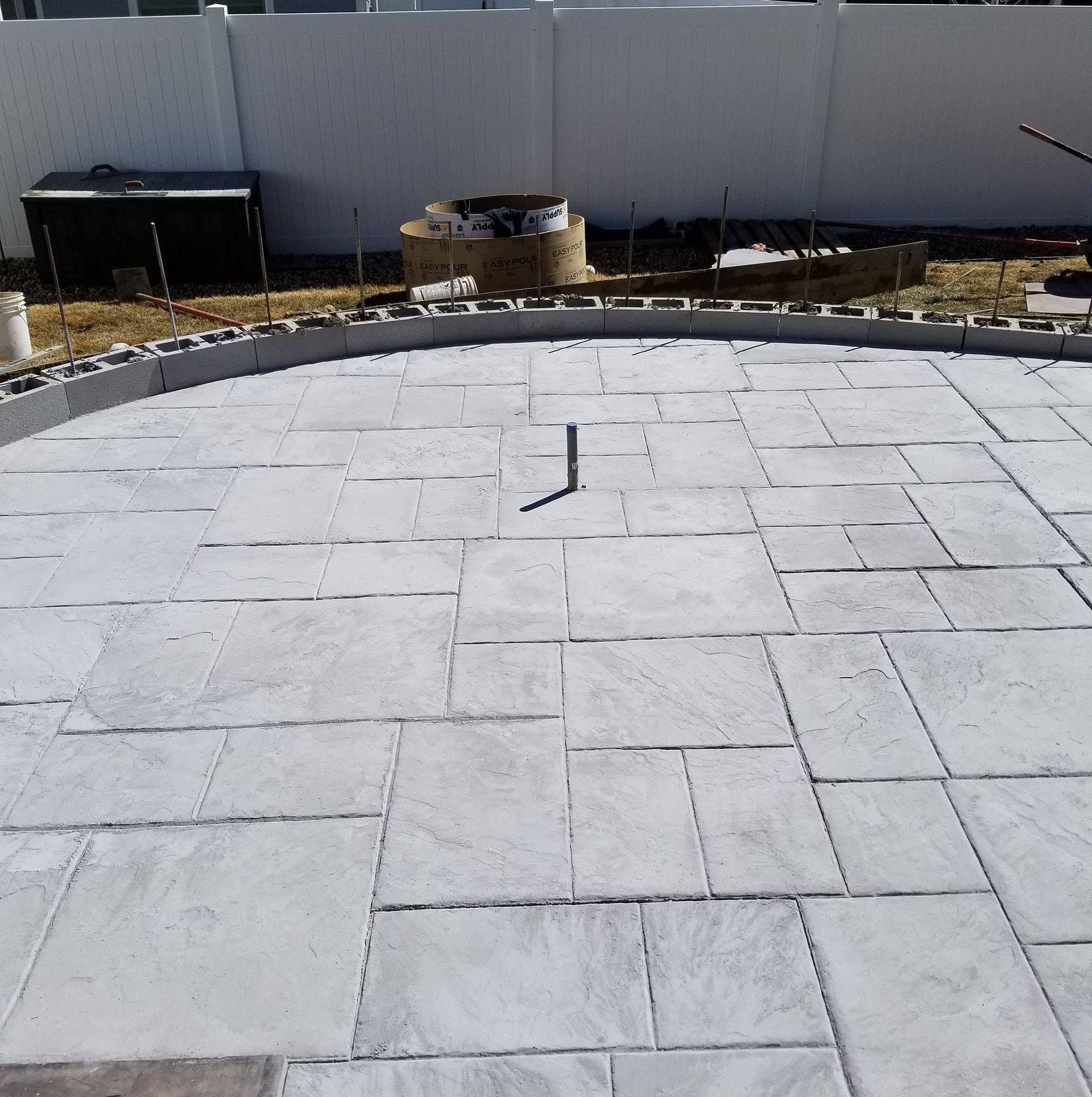
Stamped concrete is one of the most widely recognized decorative techniques, and for good reason. The process involves pressing textured mats or stamps into freshly poured concrete before it sets, creating patterns that mimic natural stone, brick, slate, cobblestone, and even wood planking. Color hardeners are broadcast onto the surface before stamping, and release agents are applied to the stamps themselves to prevent adhesion and add secondary color variation.
The result is a surface that carries the visual richness of natural materials but with the structural integrity of concrete. Unlike pavers or flagstone, stamped concrete has no joints where weeds can establish roots or where shifting soil causes individual pieces to rise and fall.
Where Stamped Concrete Performs Best
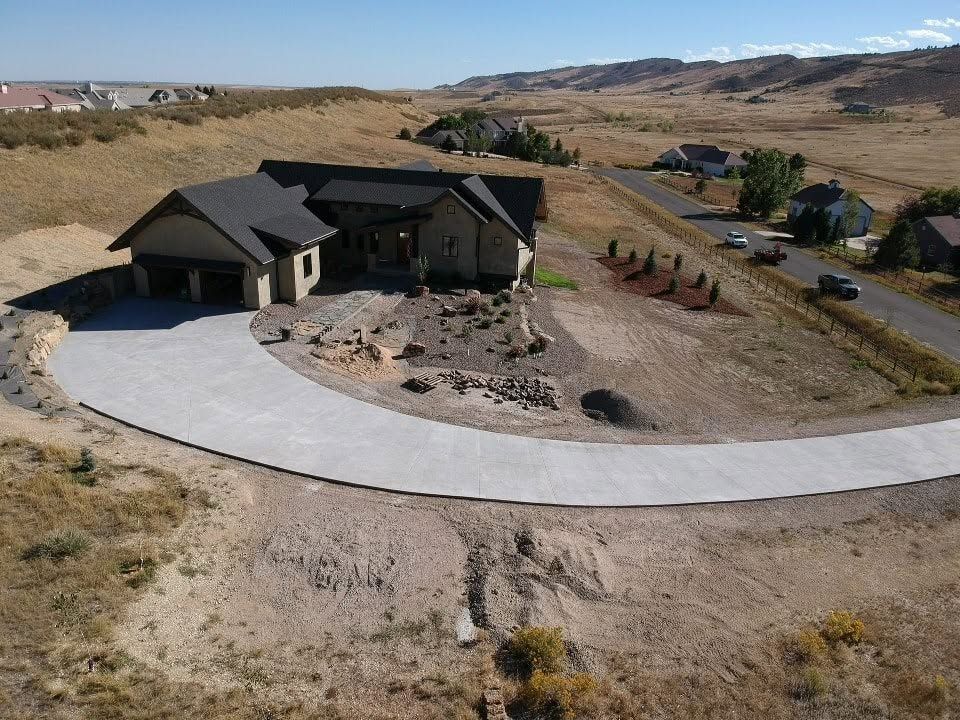
Pool surrounds benefit enormously from stamped concrete because the texture created by the stamp provides slip resistance underfoot, which is a functional advantage in wet environments. Patio areas around outdoor kitchens also benefit because stamped concrete holds up under heavy furniture, foot traffic, and incidental grease or food exposure better than many natural alternatives. Driveways finished in a large-format ashlar slate pattern carry the look of upscale stonework while withstanding vehicle loads that would crack or dislodge individual stone pavers over time.
One practical consideration with stamped concrete is thermal expansion. In climates with significant freeze-thaw cycles, proper joint placement and a high-quality penetrating sealer are critical to preventing surface cracking. Skipping these steps leads to premature failure regardless of how well the pattern was applied.
Acid Staining and Chemical Coloring Techniques
How Acid Stains Create Depth
Acid staining is a chemical reaction, not a surface coating. A diluted solution of hydrochloric acid and metallic salts is applied to hardened concrete, where it reacts with the calcium hydroxide in the cement paste to create permanent color that penetrates into the surface rather than sitting on top of it. Because the reaction is chemical and the concrete's composition is never perfectly uniform, the resulting color is always variegated, producing mottled, marbled tones that no two slabs replicate exactly.
This unpredictability is actually the technique's defining strength. Earth tones from walnut brown to amber to slate blue are achievable depending on the metallic salts used, and layering multiple colors in sequence creates depth that photorealistic concrete surface coatings cannot replicate.
Water-Based Stains as an Alternative
For property owners who want more predictable color outcomes, water-based concrete stains offer a broader palette without the chemical complexity. These stains are non-reactive and penetrate the surface through absorption rather than chemical bonding, so they require a quality sealer to maintain color longevity. Interior patios and covered outdoor areas where UV exposure is moderate are ideal candidates for water-based staining because the controlled environment reduces the sealer's workload.
Exposed Aggregate: Texture and Natural Material Integration
The Mechanics of Exposure
Exposed aggregate finish involves seeding decorative stone, pebble, or glass into the surface of freshly placed concrete and then washing away the top layer of cement paste before it fully cures. What remains is a surface where the aggregate protrudes slightly, creating a naturally textured, non-slip finish with visible depth.
The aggregate itself does most of the visual work. River pebbles in mixed earth tones produce a naturalistic finish well-suited to garden paths and pool decks. Crushed granite creates a more uniform, architectural look appropriate for modern driveway borders and feature walls. Glass aggregate, typically recycled, introduces reflective quality that catches light differently at different times of day.
Timing and Surface Prep Are Non-Negotiable
The window for surface washing is narrow. If the cement paste has set too far, it becomes difficult to remove without damaging the aggregate. If washing begins too early, aggregate loosens and the structural bond weakens. Experienced applicators monitor ambient temperature, humidity, and concrete mix design to time the process accurately. A retarder can be applied to the surface immediately after finishing to extend the workable window in hot or dry conditions.
Concrete Overlays and Microtopping Systems
Reviving Existing Surfaces Without Replacement
Concrete overlays are thin polymer-modified toppings applied over existing concrete to refresh the appearance or introduce new texture and color without full demolition. Overlays typically range from 1/16 inch to 1/4 inch in thickness and bond directly to the prepared substrate. This makes them a practical choice for patios, pool decks, and walkways that are structurally sound but visually deteriorated.
Surface preparation is the determining factor in overlay performance. Any contamination, oil penetration, or bond-breaking agent left on the substrate will cause delamination regardless of the overlay's quality. Mechanical profiling using shot blasting or diamond grinding creates the surface profile that overlays need to bond.
Microtoppings for Refined Surface Aesthetics
Microtoppings are an ultra-thin subset of overlays, often less than 1/16 inch, that create seamless, polished surfaces associated with contemporary design. When applied outdoors under a UV-stable sealer, microtoppings produce a smooth, monolithic finish that eliminates visible joints across large surface areas. Architects and landscape designers frequently specify microtoppings for modern pool surrounds and rooftop terrace decks where visual continuity across the surface plane is a design priority.
Polished and Honed Concrete for Covered Outdoor Areas
Grinding, Honing, and Polishing Defined
Polished concrete involves progressively grinding the surface with diamond-segmented tooling to a specified level of sheen. A honed finish stops partway through the process at a matte or satin level of reflectivity, while a high-polish finish continues through finer grits until the surface reflects like stone. Both finishes can be enhanced with densifiers that harden the concrete and reduce surface porosity.
For covered patios, outdoor entertainment rooms, and enclosed lanais, polished or honed concrete functions as a high-performance flooring material. It requires no wax, resists staining when properly sealed, and maintains its appearance under heavy use.
| Finish Level | Grit Range | Reflectivity | Best For |
|---|---|---|---|
| Honed Matte | 200 to 400 | Low | Rustic or industrial aesthetics |
| Satin | 800 | Moderate | Transitional and contemporary spaces |
| High Gloss | 1500 to 3000 | High | Modern architecture, showrooms |
Decorative Scoring and Engraving
Scoring and engraving use diamond-blade saws and rotary tools to cut patterns directly into cured concrete. Unlike stamping, which must happen during placement, scoring works on any existing slab and creates precise geometric patterns, borders, or custom artwork. When combined with acid staining or saw-cut grout lines filled with contrasting color, engraved concrete can simulate tile layouts, medallion designs, or branded patterns with a level of detail that stamping tools cannot achieve.
This technique is particularly valuable for renovation projects where the existing concrete is in good condition but needs visual interest. Custom engraving around fire pit areas or outdoor kitchen islands adds intentional design without disrupting the structural slab.
Trusted Concrete Experts Transforming Loveland Outdoor Living Spaces
Decorative concrete has moved well past the functional basics. Techniques like stamped overlays, acid staining, exposed aggregate, microtoppings, polished finishes, and decorative scoring now give property owners genuine design latitude to shape outdoor spaces that reflect architectural intent rather than settling for whatever a plain gray slab delivers. Each method has its own preparation requirements, timing considerations, and long-term maintenance profile, which means selecting the right approach depends on the site conditions, design goals, and climate as much as aesthetics. As the outdoor living industry continues to prioritize durable beauty, decorative concrete remains one of the most versatile and long-lasting solutions available.
At Decorative Concrete Finishes LLC, we have spent more than 30
years shaping outdoor living spaces across Loveland, Colorado and the surrounding region. Our work spans stamped patios, acid-stained pool surrounds, exposed aggregate driveways, and polished covered patio floors, covering the full range of techniques discussed throughout this blog. We bring hands-on expertise to every project, understanding that each surface presents its own conditions, substrate variables, and design goals that require informed decision-making from the first site visit through final sealer application. As a concrete contractor rooted in Loveland, Colorado, we understand the freeze-thaw demands of a Colorado climate and select materials, joint placement strategies, and sealer systems that hold up under real local conditions. Our approach is built on technical knowledge earned over decades in the field, not on approximations or guesswork. Property owners who want decorative concrete done with precision and permanence trust us because our track record speaks clearly. We welcome every project with the same commitment we have brought to this trade since we first started, and we stand behind the quality of our work on every surface we finish.
FAQs
How long does stamped concrete last in a climate with cold winters?
When properly installed with control joints and sealed with a penetrating sealer, stamped concrete can last 25 years or more in freeze-thaw climates. Joint placement and annual sealer maintenance are the two factors that most directly determine longevity in colder regions.
Can acid staining be applied to an existing concrete patio?
Yes. Acid staining works on existing slabs as long as the surface is free of sealers, coatings, paint, and contamination. Mechanical preparation is usually required to open the surface before stain application to ensure proper penetration and color development.
What is the difference between a concrete overlay and a microtopping?
A concrete overlay is typically 1/16 to 1/4 inch thick and is often textured or stamped, while a microtopping is ultra-thin and creates a smooth, seamless surface. Overlays are better for adding texture and visual interest, while microtoppings suit contemporary, minimalist design goals.
Is exposed aggregate slippery when wet?
Exposed aggregate is one of the more slip-resistant concrete finishes available because the protruding aggregate creates natural texture underfoot. This makes it a preferred choice for pool decks, walkways, and any surface where wet foot traffic is anticipated.
How often does decorative concrete need to be resealed?
Most exterior decorative concrete surfaces benefit from resealing every two to three years, depending on traffic volume, UV exposure, and climate. Penetrating sealers used in high-traffic or freeze-thaw environments may require less frequent reapplication than film-forming topical sealers.