Custom Concrete Designs That Boost Curb Appeal and Property Value
February 21, 2026
Concrete is no longer merely a utilitarian building material. Homeowners, architects, and designers are increasingly recognizing its potential as a creative, functional, and durable element that can dramatically enhance the exterior appeal of a property. From sleek modern driveways to intricately patterned patios, custom concrete designs now serve as a cornerstone in elevating both aesthetics and property value. By integrating innovative techniques, textures, and finishes, concrete has evolved into a versatile medium capable of transforming ordinary surfaces into striking statements that complement the surrounding landscape and architecture. Beyond visual appeal, these designs allow for customization that reflects personal style, harmonizes with architectural themes, and even incorporates sustainable practices, such as permeable surfaces that manage stormwater efficiently. As a result, concrete is no longer just a foundation—it’s a canvas for creativity and long-term investment.
The relevance of custom concrete in today’s real estate and construction industries cannot be overstated. Studies show that well-executed exterior improvements significantly influence buyer perception and market value. A thoughtfully designed driveway, walkway, or patio can set a property apart, creating a lasting first impression that resonates with potential buyers. Beyond aesthetics, modern concrete solutions offer longevity, low maintenance, and resilience, making them a practical investment. Furthermore, innovative concrete techniques can improve safety, such as slip-resistant textures, and enhance outdoor functionality, from patios to garden paths. For homeowners and property developers, understanding the nuances of design, material selection, and installation best practices is essential to maximizing both visual appeal and long-term return on investment, ensuring that each project adds tangible and lasting value.
The Evolution of Concrete in Residential Design
From Functional to Fashionable
Historically, concrete was valued primarily for its durability and affordability. Early residential applications focused on driveways, foundations, and sidewalks, with little attention to style or texture. Over the past two decades, the industry has witnessed a significant shift. Innovative staining, stamping, and engraving techniques have transformed concrete into a medium that rivals natural stone, brick, or tile in visual appeal.
Modern Techniques That Drive Curb Appeal
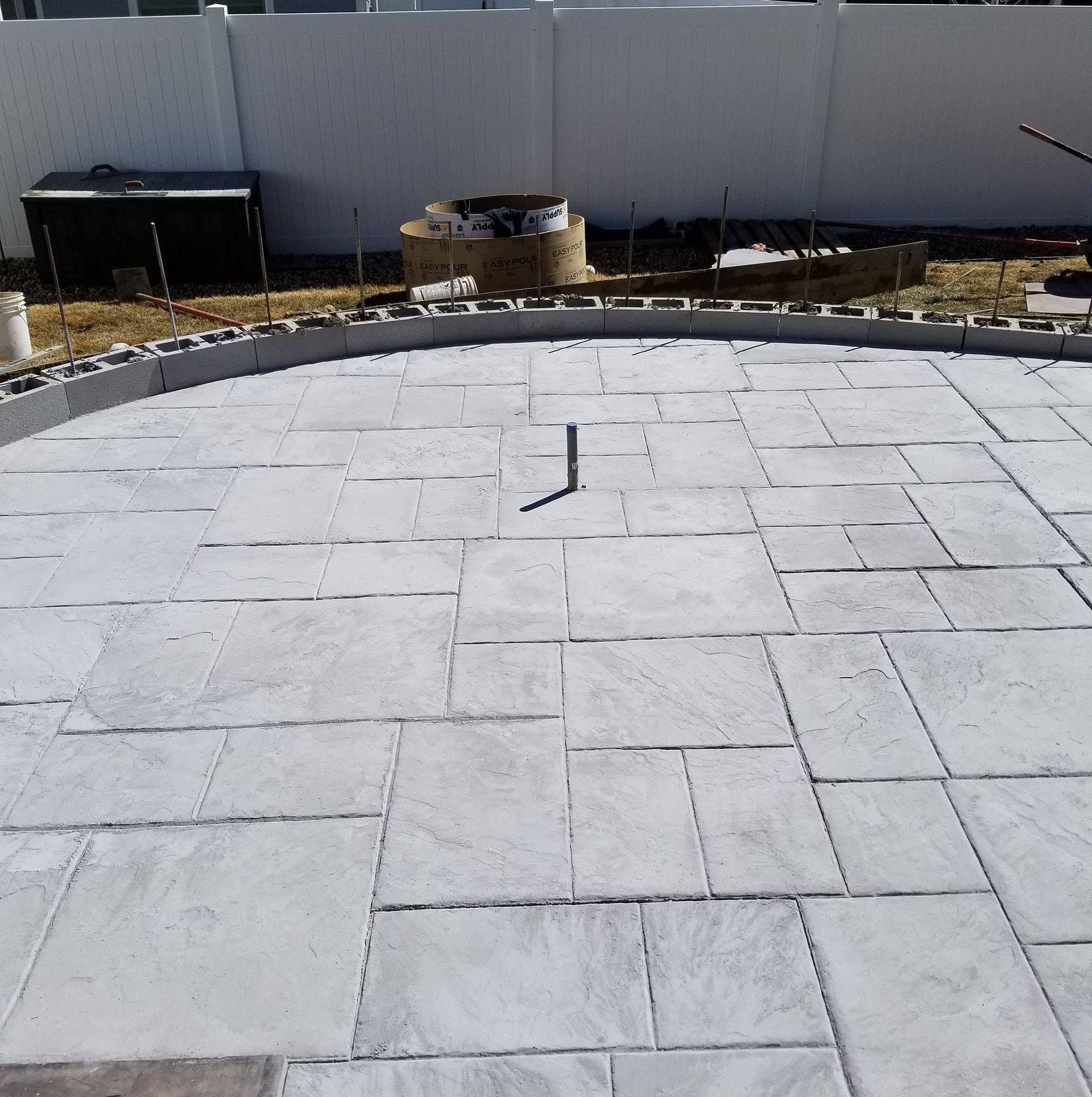
Custom concrete designs now incorporate a range of techniques to enhance both texture and color. Stamped concrete, for example, can mimic natural stone patterns such as cobblestone or slate. Acid staining and concrete dyes introduce rich, permanent colors that enhance the visual interest of patios or entryways. Additionally, exposed aggregate finishes create a textured surface that is slip-resistant and visually dynamic, ideal for pool decks and garden paths.
Real-World Impact
Consider a suburban property where the original plain concrete driveway was replaced with a stamped and stained design resembling natural stone. Not only did the home’s aesthetic appeal improve, but the renovation increased the market value by several percentage points, demonstrating how thoughtful design choices influence both perception and investment potential.
Popular Custom Concrete Options for Exterior Spaces
Decorative Driveways
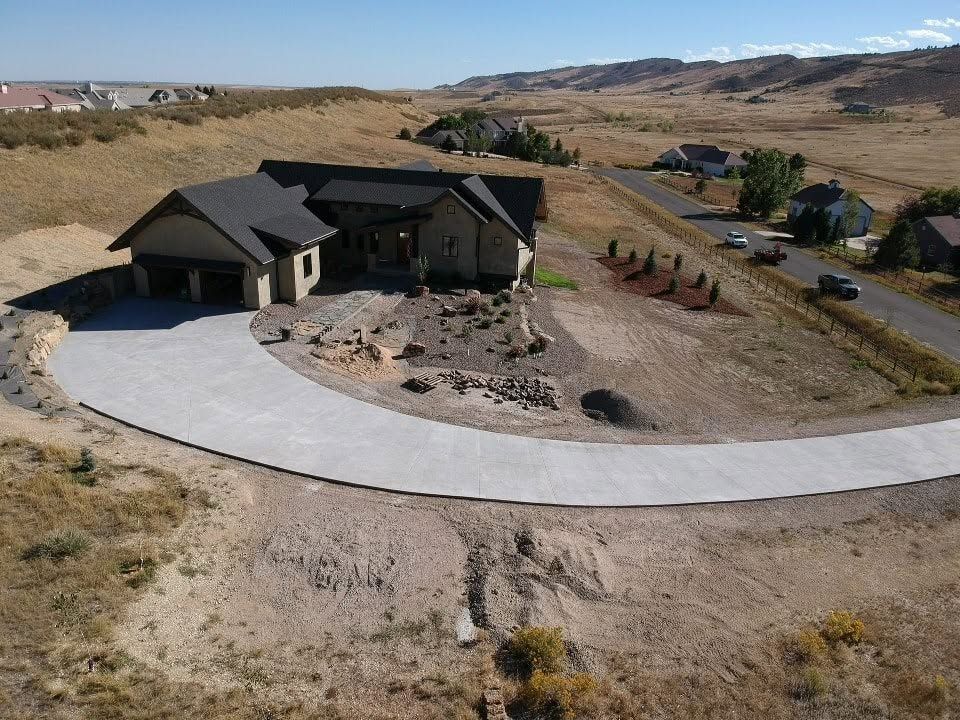
Driveways are often the first thing visitors notice, making them a critical element of curb appeal. Patterned concrete can replicate the look of cobblestone, brick, or flagstone, offering sophistication without the maintenance challenges of natural materials. Additionally, colored concrete can complement landscaping or the home’s exterior palette, creating a cohesive and inviting entrance.
Best Practices:
- Choose patterns that harmonize with architectural style.
- Incorporate borders or inlays to define space visually.
- Ensure proper sealing to maintain color longevity and prevent staining.
Patios and Outdoor Living Areas
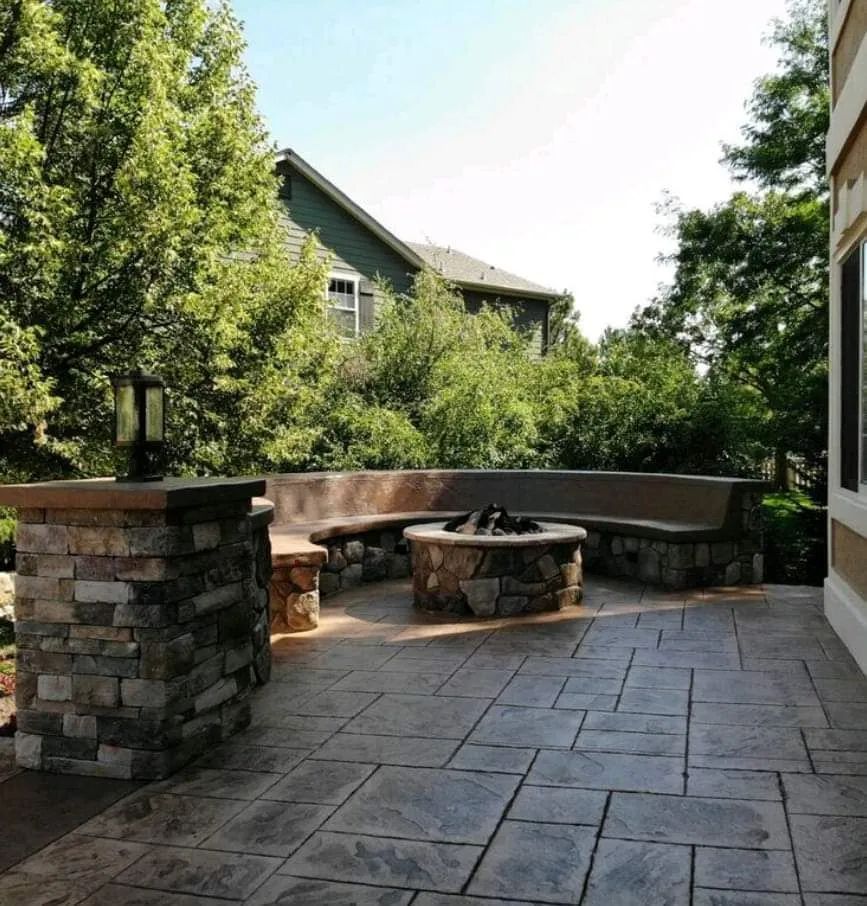
Patios serve as both functional and aesthetic extensions of living spaces. Custom concrete allows for unique shapes, textures, and colors, enabling homeowners to create a personalized outdoor environment. Techniques such as integrating geometric patterns or combining polished surfaces with exposed aggregate add depth and dimension.
Challenges:
- Uneven soil or poor drainage can compromise concrete performance.
- Incorrect sealing can lead to fading or surface deterioration.
Benefits:
- Increased usability for entertaining or relaxation.
- Enhanced property value through improved aesthetics and functionality.
Walkways and Garden Paths
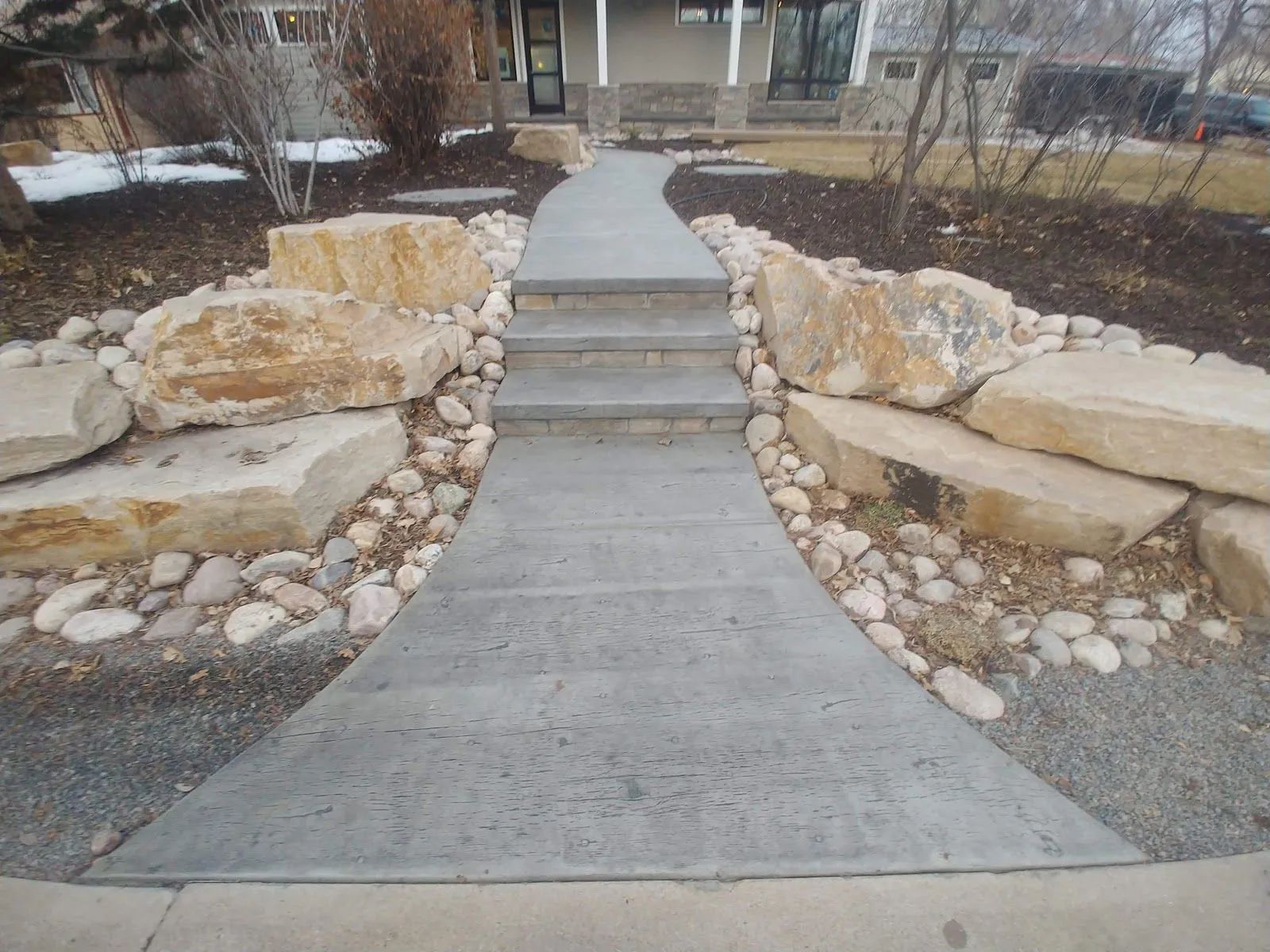
Walkways guide guests while contributing to overall landscape design. Custom options such as stamped stone patterns, embedded designs, or decorative borders transform simple paths into engaging visual features. Concrete walkways also offer practical benefits, including durability, low maintenance, and adaptability to curves or unusual layouts.
Expert Tip:
Incorporate subtle color variations or inlaid motifs to break monotony and tie the path to surrounding landscaping features.
Material Choices and Finishes for Longevity and Beauty
Understanding Concrete Mixes
The base composition of concrete affects both performance and appearance. High-quality mixes designed for exterior applications enhance strength, crack resistance, and longevity. Additives such as polymer modifiers or fiber reinforcement can improve flexibility and durability, especially in climates with freeze-thaw cycles.
Finish Options
- Polished Concrete: Offers a sleek, reflective surface suitable for modern patios or entryways.
- Exposed Aggregate: Reveals natural stones for a textured, slip-resistant finish.
- Stamped Patterns: Mimic natural materials for upscale aesthetics without high costs.
- Acid-Stained Concrete: Provides rich, permanent coloration for decorative appeal.
Sealing and Maintenance
A proper sealant protects surfaces from moisture, UV damage, and stains, prolonging the lifespan of decorative concrete. Regular cleaning and resealing every few years maintain vibrancy and reduce long-term maintenance costs.
Case Example:
A homeowner in a temperate climate used acid-stained, sealed concrete for a backyard patio. Over five years, the surface retained its color and texture despite heavy foot traffic, illustrating the importance of material selection and proper maintenance.
Maximizing Curb Appeal Through Design Integration
Harmonizing with Architecture
Custom concrete designs should complement the home’s architectural style. For traditional homes, flagstone or brick patterns create a timeless look. Contemporary residences benefit from sleek, geometric designs or polished concrete finishes that emphasize modern lines and minimalism.
Integrating Landscaping Elements
Concrete can be blended seamlessly with landscaping features such as planters, retaining walls, and water features. Concrete borders around flower beds or inlaid stepping stones in gardens create cohesion between hardscape and greenery, enhancing the overall aesthetic appeal.
Lighting and Textural Enhancements
Outdoor lighting can highlight textures, patterns, and color variations, creating dramatic nighttime effects. Similarly, textured finishes like broomed or exposed aggregate surfaces provide visual interest while improving safety in wet conditions.
Real-World Scenario:
A property with a large front yard installed stamped concrete walkways bordered by native plantings and LED pathway lights. The result was a visually striking entrance that guided visitors naturally while boosting the home’s marketability.
Economic and Functional Benefits of Custom Concrete
Property Value Enhancement
Investing in custom concrete designs often results in measurable increases in property value. Buyers perceive well-maintained, aesthetically pleasing exteriors as indicators of overall property care, making homes with decorative concrete features more competitive in the market.
Longevity and Durability
Concrete is highly durable and resistant to weather, pests, and heavy usage. Unlike wood, brick, or natural stone, properly installed concrete withstands decades of wear with minimal maintenance. This longevity translates into long-term cost savings for homeowners.
Low Maintenance and Sustainability
Decorative concrete requires less upkeep than alternative materials, reducing labor and replacement costs over time. Additionally, eco-friendly options like permeable concrete allow water infiltration, supporting sustainable landscaping practices and reducing runoff-related damage.
Expert Insight:
Choosing a reputable contractor for installation ensures precise techniques, proper curing, and consistent finishes—critical factors in achieving long-lasting results and maximizing both curb appeal and property value.
Challenges and Best Practices in Custom Concrete Design
Common Challenges
- Cracking: Improper curing or subgrade preparation can lead to cracks.
- Color Fading: Exposure to UV rays and weather can diminish certain stains or dyes.
- Slippery Surfaces: Polished or smooth concrete may become hazardous when wet.
Mitigation Strategies
- Employ professional site assessment and soil testing before installation.
- Use high-quality sealers and apply regular maintenance.
- Incorporate textured finishes or anti-slip additives for safety.
Design Best Practices
- Plan patterns and color schemes that complement the property’s style.
- Integrate functional elements like drainage, lighting, and landscaping cohesively.
- Invest in skilled craftsmanship to ensure clean lines, consistent patterns, and high-quality finishes.
Real-Life Example:
A homeowner initially attempted DIY stamping on a driveway, resulting in uneven patterns and premature cracking. After hiring professionals, the driveway was redone with proper subgrade preparation, resulting in a durable, visually appealing surface that significantly improved curb appeal.
Decorative Concrete Professionals Ensuring Lasting Value and Beauty
Custom concrete designs offer a unique opportunity to elevate a property’s exterior aesthetics while providing tangible long-term value. By embracing modern techniques such as stamped patterns, acid staining, exposed aggregate, and polished finishes, homeowners can transform driveways, patios, walkways, and outdoor living areas into visually compelling and functional spaces. Proper material selection, design integration, and maintenance are crucial to ensure durability, safety, and lasting beauty. Whether the goal is to enhance curb appeal, create inviting outdoor spaces, or maximize property value, decorative concrete provides a versatile, cost-effective solution that delivers both immediate and enduring benefits.
Decorative Concrete Finishes LLC, a trusted concrete contractor based in Loveland, Colorado, brings over 30
years of expertise to every project, specializing in custom concrete solutions that elevate properties and exceed client expectations. With a commitment to precision, quality materials, and innovative design, the team transforms ordinary surfaces into extraordinary showcases. Whether enhancing curb appeal, creating functional outdoor living areas, or implementing sustainable design features, Decorative Concrete Finishes LLC
combines experience, professionalism, and a client-focused approach to deliver results that stand the test of time. Homeowners and property developers can rely on their skilled craftsmanship to achieve lasting beauty, value, and performance with every custom concrete project.